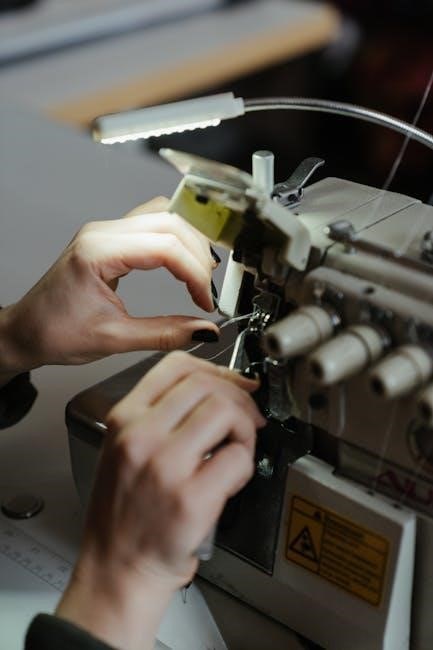
Necchi, celebrating a century of innovation, offers reliable machines. The K132A and M108A models blend style with functionality, appealing to both beginners and experienced sewers.
Brief History of Necchi
Necchi’s story began in 1919 in Pavia, Italy, initially focusing on producing sewing machine parts. Post-World War II, the company rapidly evolved into a full-fledged sewing machine manufacturer, gaining prominence for its innovative designs and robust build quality.
The 1950s and 60s marked a golden age for Necchi, with models becoming highly sought after for both domestic and professional use. Their machines were known for their distinctive styling and advanced features for the time.
Despite facing challenges in later decades, Necchi continues to produce sewing machines, blending its rich heritage with modern technology. Today, models like the K132A honor the brand’s 100th anniversary, showcasing a commitment to quality and innovation.
Why Choose a Necchi Sewing Machine?
Necchi sewing machines offer a compelling blend of tradition and modern functionality. Models like the K132A boast stretch stitches, needle threaders, and convenient front-loading bobbins, simplifying the sewing process. The M108A, with its stylish design, is ideal for beginners, offering essential stitches including buttonholes and blind hemming.
Beyond features, Necchi machines are known for their durability and quality stitch production. They represent a solid investment for both novice and experienced sewers.
Choosing Necchi means embracing a legacy of Italian craftsmanship and a machine designed to deliver reliable performance for years to come.
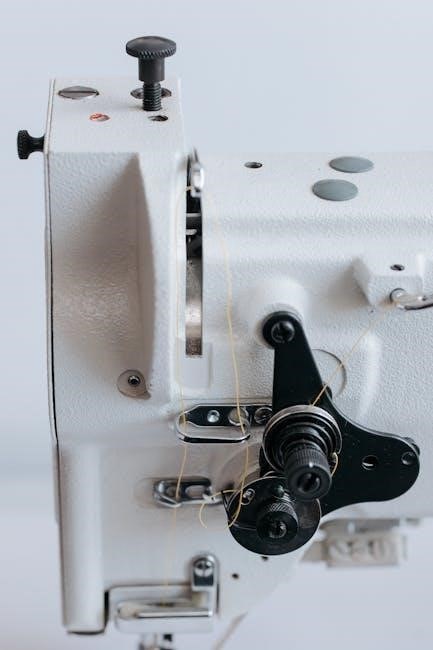
Understanding Your Necchi Sewing Machine Manual
Necchi manuals detail operation, maintenance, and troubleshooting. Accessing online or physical copies is crucial for maximizing your machine’s potential and ensuring longevity.
Locating Your Manual (Online & Physical)
Finding your Necchi sewing machine manual is the first step to unlocking its full capabilities. Often, the original physical manual accompanied your machine purchase. However, if misplaced, numerous online resources exist. The official Necchi website may host downloadable manuals for current and older models.
Alternatively, many online forums and communities dedicated to vintage and modern Necchi machines maintain digital archives of manuals. Searching specifically for your model number (e.g., K132A, M108A, Supernova) will yield the most accurate results. Websites specializing in sewing machine manuals also frequently carry Necchi documentation. Remember to verify the manual’s compatibility with your specific machine variant to ensure accurate instructions and avoid potential issues.
Decoding Manual Symbols and Terminology
Necchi manuals, like those of many sewing machine brands, utilize specific symbols and terminology. Understanding these is crucial for proper operation. Common symbols indicate stitch length, width, and type. Diagrams illustrate threading paths and bobbin winding procedures. Terms like “feed dogs,” “presser foot pressure,” and “differential feed” may appear – consulting a glossary within the manual or online resources clarifies their meaning.
Pay close attention to safety symbols, often depicting warnings about needle breakage or electrical hazards. Familiarize yourself with stitch designations; a number or icon represents each stitch pattern. Deciphering this language ensures you correctly interpret instructions and maximize your Necchi machine’s potential.
Safety Precautions
Necchi sewing machines, while user-friendly, require adherence to safety guidelines. Always disconnect the power supply before threading, changing the needle, or performing maintenance. Keep fingers away from the needle while operating; use the needle plate as a guide. Never force the fabric – let the machine feed it smoothly.
Avoid sewing over pins, as they can damage the needle and machine. Ensure the area around the machine is well-lit and free of obstructions. Children should never operate the machine unsupervised; Regularly inspect the power cord for damage and avoid using the machine if it’s faulty. Prioritizing these precautions ensures a safe sewing experience.
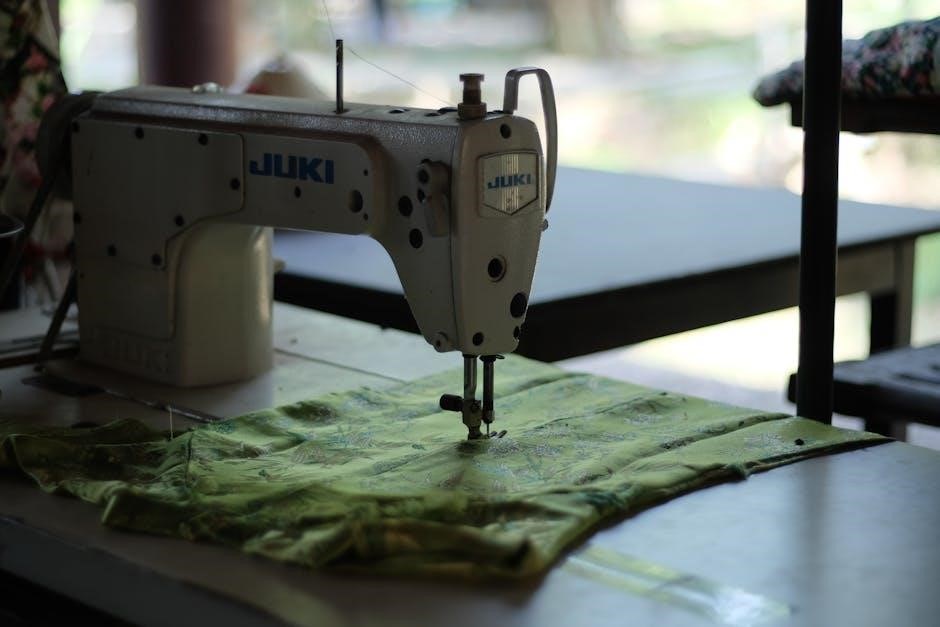
Key Components of a Necchi Sewing Machine
Necchi machines feature a power switch, foot pedal, bobbin system, various presser feet, and a stitch selection dial for versatile sewing capabilities.
The Power Switch and Foot Pedal
Locating the Power Switch: The power switch on your Necchi sewing machine is typically found on the right side of the machine’s body. It’s usually a simple on/off toggle or a rotating dial. Ensure the switch is in the ‘off’ position before plugging in the machine for safety.
Understanding the Foot Pedal: The foot pedal controls the sewing speed. Gentle pressure results in slower stitching, while increased pressure increases the speed. It functions as a variable speed controller, giving you precise control over your projects.
Testing the Operation: After threading and bobbin insertion, test the power switch and foot pedal to confirm proper functionality. A smooth, responsive action indicates correct operation. If the machine doesn’t respond, check the power cord and connections.
Bobbin Winding and Insertion
Winding the Bobbin: Place the thread spool on the spool pin. Guide the thread through the tension disc and onto the bobbin. Engage the bobbin winding mechanism (usually by pushing the bobbin spindle to the right). Press the foot pedal gently to wind the bobbin evenly. Stop when full.
Inserting the Bobbin: Locate the bobbin case. Depending on your Necchi model, it may be front-loading or top-loading. Open the bobbin case cover and insert the bobbin, ensuring the thread unwinds in the correct direction (consult your manual).
Thread Path: Guide the bobbin thread through the tension spring and thread guide before bringing it up to the needle area.
Needle Types and Installation
Needle Selection: Necchi machines utilize various needle types (e.g., universal, ballpoint, denim) depending on the fabric. Universal needles suit woven fabrics, ballpoint for knits, and denim needles for heavier materials. Needle size corresponds to fabric weight – smaller for delicate fabrics, larger for thicker ones.
Installation: Ensure the machine is off. Locate the needle clamp screw. Loosen the screw with the screwdriver. Insert the new needle, with the flat side facing the back of the machine.
Tighten Securely: Tighten the clamp screw firmly, but avoid over-tightening. A loose needle can cause issues.
Presser Feet – Types and Uses
Standard Zigzag Foot: The default foot, ideal for general sewing, zigzag stitches, and most fabrics. It provides balanced pressure for consistent stitch formation.
Buttonhole Foot: Specifically designed for creating buttonholes. It guides the fabric and ensures accurate, consistent buttonhole shapes. Refer to your manual for specific buttonhole settings.
Zipper Foot: Allows for close-to-zipper sewing. It can be positioned on either the left or right side of the zipper, providing precise stitching.
Blind Hem Foot: Creates nearly invisible hems on lightweight fabrics. It folds the fabric and stitches close to the fold line.
Stitch Selection Dial
The stitch selection dial is central to your Necchi machine’s versatility. Rotating this dial allows you to choose from a range of stitch patterns, including straight stitch, zigzag, and potentially decorative options, depending on your model – like the K132A.
Understanding the markings is crucial. Your manual will detail each stitch number and its corresponding function. Some dials feature stitch length and width adjustments alongside the pattern selection.
Experiment with different stitches on scrap fabric to understand their effects. The M108A, for example, offers a selection including blind hemming and buttonholes.
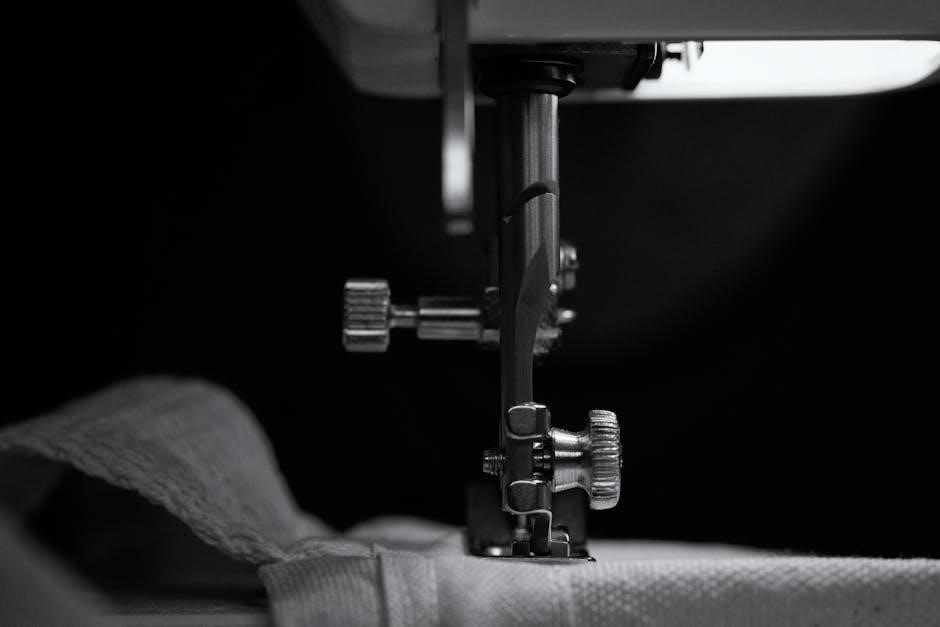
Basic Sewing Operations
Mastering threading, bobbin winding, and straight stitching are foundational skills. Practice reverse stitching for secure seams, utilizing your Necchi’s manual for guidance.
Threading the Machine
Proper threading is crucial for consistent stitch quality on your Necchi. Begin by ensuring the machine is off and the presser foot is raised. Follow the threading path illustrated in your manual – typically starting with the spool pin, then guiding the thread through tension discs, take-up lever, and finally, the needle.
Pay close attention to ensure the thread is securely seated in each component. A common mistake is failing to fully insert the thread into the tension discs, leading to looping or uneven stitches. The manual’s diagrams are invaluable here. Always thread with the presser foot up; this opens the tension plates. Finally, thread the needle from front to back, using the needle threader if your model has one. Double-check everything before lowering the presser foot and beginning to sew.
Winding the Bobbin
Winding a bobbin correctly ensures smooth, even stitching. Place the spool of thread on the spool pin and guide the thread through the designated bobbin winding tension disc. Attach the empty bobbin to the bobbin winder spindle, ensuring it clicks into place.
Engage the bobbin winder by pushing the bobbin winder lever to the right (consult your manual for specific instructions, as models vary). Gently press the foot pedal to start winding. Most Necchi machines will automatically stop when the bobbin is full. Once complete, disengage the lever and remove the bobbin. Always use the correct type of bobbin for your machine to prevent jamming and ensure proper tension.
Sewing Straight Stitches
To sew a straight stitch, first, ensure your machine is threaded correctly and the bobbin is properly inserted. Select the straight stitch option on the stitch selection dial – typically the number ‘1’ or a straight line symbol. Place your fabric under the presser foot, lowering it gently to secure the material.
Gently depress the foot pedal to begin sewing, guiding the fabric smoothly with both hands. Maintain a consistent speed for even stitches. Use the feed dogs to advance the fabric; avoid pulling or pushing it. For longer seams, lift the presser foot between sections to reposition the fabric easily, pivoting with the needle down.
Reverse Stitching
Reverse stitching, crucial for securing seams, is easily achieved on your Necchi machine. Locate the reverse lever or button – often positioned near the foot pedal or on the machine’s body. Depress this lever/button while simultaneously pressing the foot pedal. The machine will now stitch in reverse.
Use reverse stitching at the beginning and end of each seam, typically a few stitches each time, to prevent unraveling. Release the reverse lever/button to return to forward stitching. Practice transitioning smoothly between forward and reverse to create neat, secure seams. Avoid excessively long reverse stitches, as they can weaken the fabric.
Advanced Sewing Techniques
Necchi machines excel at buttonholes, zippers, and decorative stitches. Explore your manual for specific settings and foot attachments to unlock these capabilities.
Buttonhole Creation
Creating buttonholes on your Necchi machine requires careful attention to detail, as outlined in your specific model’s manual. Typically, Necchi machines feature a dedicated buttonhole foot, which guides the fabric for consistent results. Begin by selecting the appropriate buttonhole stitch on the stitch selection dial.
Measure the button size accurately and adjust the buttonhole length setting accordingly. Most Necchi models offer adjustable buttonhole width as well. Place the fabric under the presser foot, aligning the starting point with the designated mark on the needle plate.
Sew slowly and steadily, allowing the machine to complete the buttonhole sequence automatically. Remember to test on a scrap fabric first to ensure proper sizing and stitch quality. Refer to your manual for specific threading instructions related to buttonhole stitching, as it may differ from standard sewing.
Zipper Insertion
Inserting a zipper with your Necchi sewing machine demands precision. Consult your manual for the recommended zipper foot – often a specialized attachment. Begin by pinning the zipper tape to the fabric, ensuring the zipper teeth are centered. Select a straight stitch and adjust the stitch length for secure fastening.
Start sewing close to the zipper teeth, guiding the fabric carefully. Maintain a consistent seam allowance throughout the process. For overlapping zippers, slightly overlap the zipper tape at the beginning and end of the seam.
Slowly maneuver around the zipper pull, stopping with the needle down to pivot effectively. Practice on scrap fabric to master this technique. Your Necchi manual will detail specific foot pressure adjustments for optimal zipper insertion.
Overlock Stitching (if applicable)
Overlock stitching, if your Necchi model supports it, creates a professional finish, preventing fabric fraying. This technique utilizes a specialized overlock foot and often requires adjusting the machine settings. Refer to your manual for precise guidance on tension adjustments and stitch width.
Begin by aligning the fabric edges and guiding them under the overlock foot. Maintain a consistent feeding speed to ensure a uniform stitch. The overlock stitch simultaneously sews, trims, and encases the raw edge, providing durability.
Practice on scrap fabric to understand the stitch formation and optimize settings. Some Necchi machines offer adjustable overlock stitch widths for varied finishing effects.
Decorative Stitching
Necchi sewing machines often feature a range of decorative stitches, enhancing projects with unique designs. Consult your manual to identify available patterns and their corresponding stitch numbers on the selection dial. Stabilizers are crucial when using decorative stitches, preventing puckering and ensuring clean results.
Experiment with different thread colors and weights to create varied effects. Adjust stitch length and width according to the desired appearance. Practice on scrap fabric before applying decorative stitches to your final project.
Some Necchi models allow combining decorative stitches for intricate patterns. Explore the possibilities and unleash your creativity!
Troubleshooting Common Issues
Necchi machines, like all sewing tools, can encounter problems. Common issues include thread breakage, skipped stitches, and jamming; your manual offers solutions!
Thread Breakage
Thread breakage is a frequent issue, often stemming from improper threading. Carefully re-thread the machine, ensuring the presser foot is raised, following your Necchi manual’s diagram precisely. Incorrect needle size for the fabric weight is another common culprit; consult the manual for appropriate needle recommendations.
Also, check the bobbin winding – uneven winding can cause tension problems leading to breaks. Ensure the bobbin is inserted correctly and the thread flows smoothly. A dull or damaged needle should be replaced immediately. Finally, verify the thread path isn’t obstructed and that you’re using quality thread compatible with your Necchi model.
Skipped Stitches
Skipped stitches often indicate a problem with the needle, threading, or timing. First, ensure the needle is correctly inserted – it should be fully pushed up into the needle clamp. Verify you’re using the correct needle type and size for your fabric; a ballpoint needle is crucial for knits.
Re-thread the machine completely, paying close attention to the thread path and tension discs. A poorly wound bobbin or incorrect bobbin insertion can also cause skipped stitches. Check the needle for damage or bending and replace it if necessary. Consult your Necchi manual for specific timing adjustments if the issue persists.
Needle Breakage
Needle breakage is a common issue, often stemming from incorrect needle selection or forceful fabric manipulation. Always use a needle appropriate for the fabric weight – heavier fabrics require stronger needles. Avoid pulling or pushing the fabric while sewing; let the feed dogs do the work.
Ensure the needle is correctly inserted and tightened in the clamp. A bent or damaged needle should be replaced immediately. Check the needle plate to confirm it has the correct size hole for the needle being used. Refer to your Necchi manual for recommended needle types and sizes for various fabrics, preventing future breaks.
Machine Jamming
Machine jamming typically occurs due to tangled thread, improper threading, or accumulated lint within the bobbin area. Always re-thread the machine correctly, following the diagram in your Necchi manual, ensuring the presser foot is raised. Regularly clean the bobbin case and surrounding areas to remove lint and debris, preventing obstructions.
Avoid sewing over pins, as they can damage the needle and cause a jam. If jamming persists, carefully remove the bobbin and check for tangled threads; Gently clear any obstructions before attempting to sew again. Consult your manual for specific troubleshooting steps related to your Necchi model.
Necchi Machine Maintenance
Regular maintenance—cleaning, oiling, and belt checks—ensures optimal performance. Your Necchi manual details these procedures, extending the machine’s lifespan and sewing quality.
Cleaning and Oiling
Consistent cleaning is paramount for a smoothly operating Necchi sewing machine. Always disconnect the power before commencing any maintenance. Use a soft brush to remove lint and dust from the bobbin area, feed dogs, and surrounding components. A small vacuum cleaner with a brush attachment can also be incredibly effective. Oiling is equally crucial; apply a few drops of sewing machine oil to the designated oiling points as indicated in your Necchi manual – typically around the bobbin winder, shuttle hook, and any moving parts.
Avoid over-oiling, as excess oil can attract dust and create a sticky residue. Wipe away any excess oil with a clean, lint-free cloth. Regular cleaning and oiling, performed as outlined in your instruction manual, will significantly extend the life of your Necchi machine and maintain its optimal performance, ensuring years of reliable sewing.
Belt Replacement
Replacing the belt on your Necchi sewing machine might seem daunting, but it’s a manageable task with the correct guidance from your instruction manual. First, disconnect the power! Accessing the belt usually involves removing a cover plate. Carefully note the belt’s routing before removal – a photograph can be helpful. Ensure the new belt is the correct size and type, as specified in your manual.
Loop the new belt around the motor pulley and the handwheel, ensuring a snug but not overly tight fit. Reattach the cover plate securely. A worn or broken belt will prevent the machine from operating correctly, so timely replacement is essential for continued functionality. Always refer to your Necchi manual for model-specific instructions.
Regular Servicing
Consistent maintenance is crucial for extending the life of your Necchi sewing machine. Your instruction manual will detail recommended servicing intervals, typically annually for moderate use. This includes a thorough cleaning to remove lint and debris, and lubricating moving parts with sewing machine oil – never use WD-40! Inspect the belt for wear and tear, and check for any loose screws or components.
Professional servicing by a qualified technician is advisable every few years, especially for complex repairs. Following the manual’s guidance ensures optimal performance and prevents costly issues down the line. A well-maintained Necchi will provide years of reliable service.
Specific Necchi Model Information
Detailed instructions for the K132A, M108A, and Supernova are vital. Consult your specific model’s manual for unique features and optimal operation.
Necchi K132A – Features and Instructions
The Necchi K132A, celebrating Necchi’s 100th anniversary, is a modern machine boasting a high-quality stitch and stylish design. Key features include stretch stitches, a needle threader, and a convenient front-loading bobbin system. Its instruction manual details threading procedures, stitch selection, and bobbin winding.
Beginners will appreciate the clear diagrams illustrating basic operations. More advanced users can explore decorative stitches and fine-tune settings for various fabrics. The manual emphasizes safety precautions, ensuring proper usage. Regular maintenance, like cleaning and oiling, is also thoroughly explained. Understanding the manual unlocks the K132A’s full potential, delivering professional results with ease. Explore further for optimal performance and longevity of your machine.
Necchi M108A – Features and Instructions
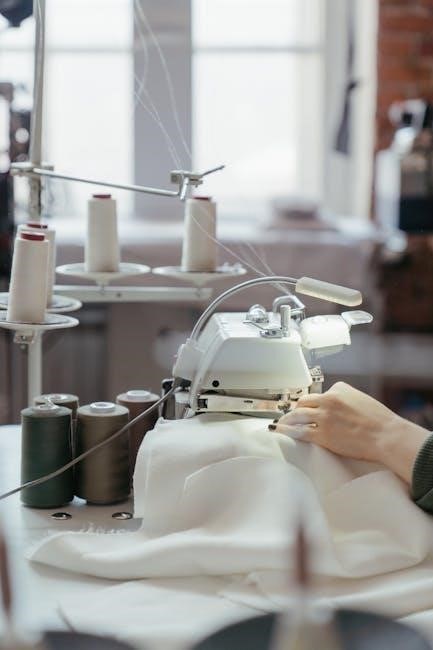
The Necchi M108A stands out with its stylish curves and trendy colored trim, making it visually appealing. Its instruction manual guides users through essential functions, including blind hemming, buttonholes, and scallop stitches. The manual provides clear, step-by-step instructions for threading, bobbin winding, and stitch selection.
Ideal for beginner sewers, the manual simplifies complex processes with detailed diagrams. It also covers safety precautions and routine maintenance, like cleaning. A free sewing kit often accompanies this model, enhancing the initial experience. The manual emphasizes proper needle selection for different fabrics. Mastering the M108A’s features, as outlined in the manual, unlocks creative sewing possibilities.
Necchi Supernova – Features and Instructions
While specific details on the Necchi Supernova’s instruction manual are limited in readily available resources, understanding Necchi’s general approach is key. Expect a manual covering threading, bobbin usage, stitch selection, and maintenance. Given Necchi’s focus on user-friendliness, the Supernova manual likely features clear diagrams and step-by-step guidance.
It will detail safety precautions and troubleshooting common issues like thread breakage or skipped stitches. The manual probably explains how to utilize the machine’s diverse stitch options, potentially including decorative stitches. Regular reference to the manual ensures optimal performance and longevity of the Supernova, maximizing its sewing capabilities for both novice and experienced users.
Resources for Necchi Owners
Online forums and the Necchi official website provide manuals and support. Accessing these resources ensures you can quickly resolve issues and maximize your machine’s potential.
Online Forums and Communities
Engaging with fellow Necchi enthusiasts in online forums is an invaluable resource for owners seeking assistance with their machines. These communities often host digitized versions of instruction manuals, readily available for download, covering a wide range of Necchi models – from vintage classics to the newer K and M series.
Experienced users frequently share troubleshooting tips, addressing common issues like thread breakage or skipped stitches, often providing solutions not explicitly detailed in the official manuals. Furthermore, these platforms serve as excellent spaces to ask specific questions about your Necchi machine, receiving personalized guidance from knowledgeable individuals.
Dedicated Necchi groups on social media also offer a convenient way to connect with other owners, exchange ideas, and learn advanced techniques. Searching online for “Necchi sewing machine forum” will reveal numerous active communities eager to assist.
Spare Parts Suppliers
Maintaining a Necchi sewing machine often requires sourcing replacement parts, especially for older models where components may wear or break down. Several specialized suppliers cater specifically to Necchi machines, offering a comprehensive inventory of parts, including needles, bobbins, belts, and presser feet.
When ordering parts, having your machine’s model number readily available – often found on a plate affixed to the machine – is crucial for ensuring compatibility. Some suppliers also request serial numbers for precise identification.
Online retailers specializing in vintage sewing machine parts frequently stock Necchi components, while the official Necchi website may offer parts for newer models. Always verify the supplier’s return policy before making a purchase, and consult your instruction manual for part numbers when possible.
Necchi Official Website
The official Necchi website serves as a primary resource for current owners and those considering a Necchi sewing machine purchase. While historical manuals for vintage models may not always be readily available, the site typically provides downloadable instruction manuals and supplementary materials for newer machines, like the K132A and Supernova.
Beyond manuals, the website often features FAQs, troubleshooting guides, and information regarding authorized service centers.
Users can also explore the latest Necchi models, view product specifications, and find contact information for customer support. Checking the official website is a recommended first step when seeking assistance or replacement parts, ensuring access to the most up-to-date and accurate information directly from the manufacturer.