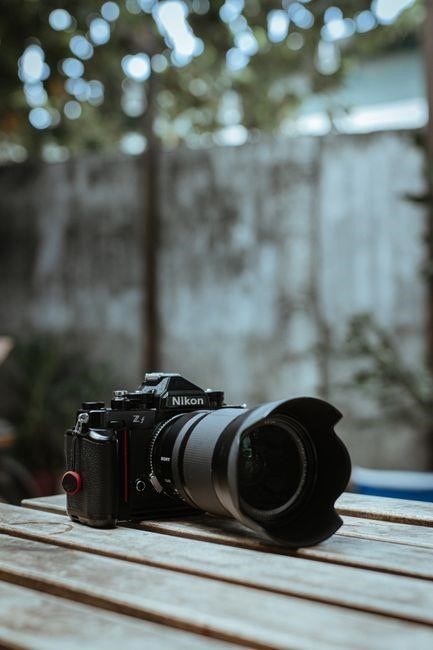
Nikon F3 Manual Overview
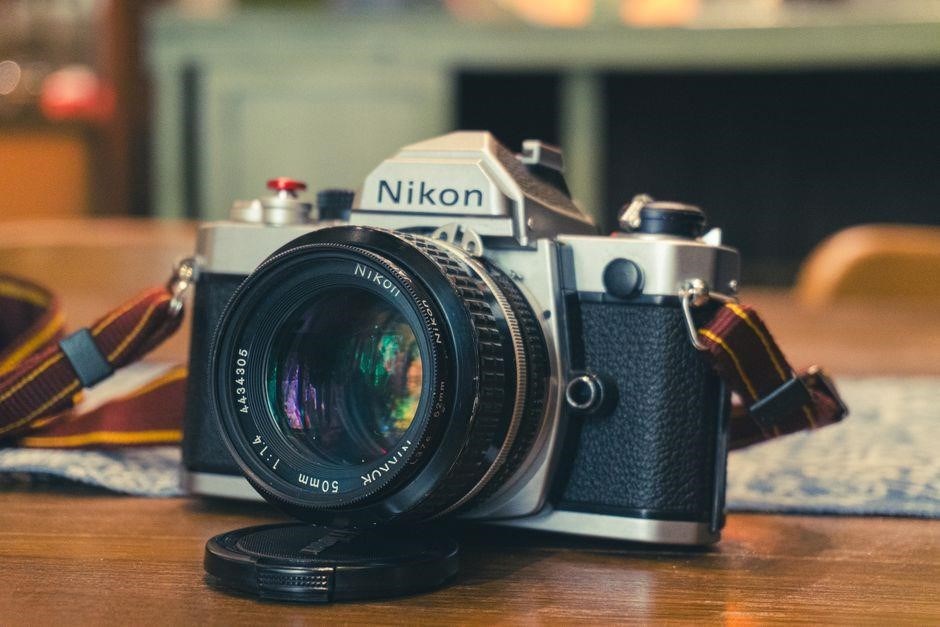
The Nikon F3 manual provides comprehensive guidance on camera operation, maintenance, and troubleshooting. It covers power management, exposure settings, and lens compatibility, offering step‑by‑step instructions for beginners and advanced users alike. It offers quick reference charts for settings.!!!!
Key Features of the Nikon F3
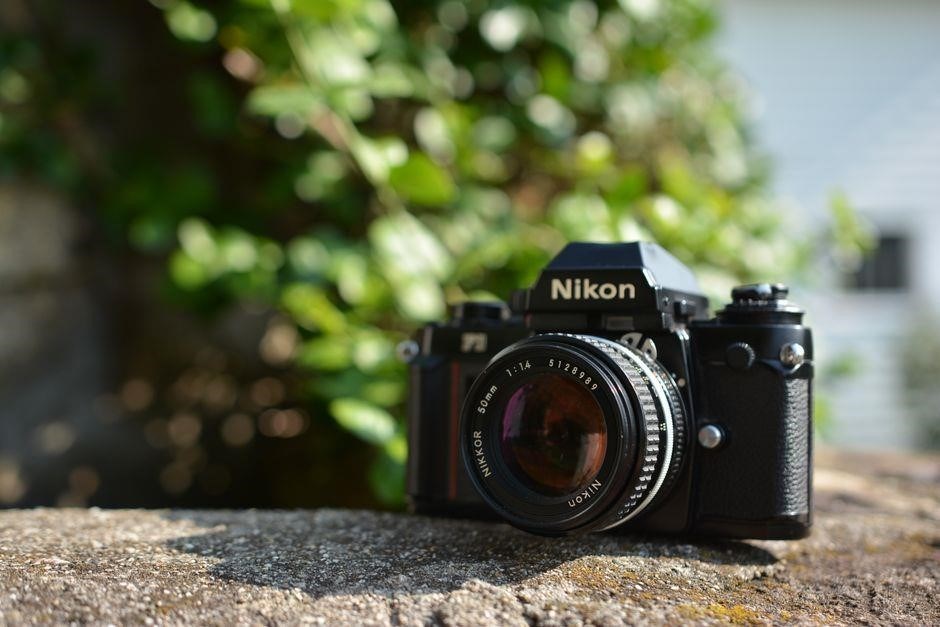
The Nikon F3, introduced in 1980, remains a benchmark for professional SLR design. Its robust metal chassis and weather‑sealed construction deliver exceptional durability, while a 3‑point metering system offers reliable exposure in varied lighting. The camera supports a full range of 35mm lenses via the F‑mount, and its interchangeable viewfinder allows for both standard and high‑eye‑point configurations. A fast, electronically controlled shutter ranges from 1/5000 s to 30 s, with a silent mode for discreet shooting. The F3’s 3‑frame preview and self‑timer provide precise framing, and the built‑in light meter uses a 3‑point system for accurate exposure. A dedicated lock‑out switch protects settings during exposure, and the camera’s power system supports both battery and AC adapters. The F3’s ergonomic design includes a large, textured grip and intuitive button layout, making it comfortable for extended use. Its compatibility with a wide array of accessories—such as external flashes, matte boxes, and remote triggers—extends its versatility. The manual details every function, from exposure modes to advanced metering, ensuring users can fully exploit the camera’s capabilities. Its legacy endures in modern photography, inspiring designers and photographers worldwide to pursue excellence!!!!
Its balanced exposure metering, quick shutter release, and intuitive controls make the F3 a favorite among documentary and street photographers who demand reliability without compromising image quality. precis.!!!!
Camera Body Specifications
The Nikon F3 body is a rugged, all‑metal construction that weighs approximately 1.5 kg (5.3 lb) and measures 142 mm × 107 mm × 78 mm (5.6 in × 4.2 in × 3.1 in). It is weather‑sealed and built to withstand harsh shooting environments. The camera accepts 35 mm lenses via the F‑mount and supports a wide range of accessories, including matte boxes, external flashes, and remote triggers. Power is supplied by a 4‑cell Ni‑Cd battery (NP‑F3, 1.5 V each) or an optional AC adapter, giving users flexibility in the field. The shutter mechanism is electronic, offering speeds from 1/5000 s to 30 s, with a silent mode for discreet shooting. The camera’s 3‑point metering system provides reliable exposure in varied lighting, and a 3‑frame preview allows for precise framing. A 3‑second self‑timer and a dedicated exposure lock button give additional control. The viewfinder is interchangeable, offering standard and high‑eye‑point options; the standard eye‑point magnification is 0.92×, while the high‑eye‑point is 1.0×. The focus screen is a 1.5× magnification, facilitating accurate focus. The ergonomic design features a textured grip and a large, easy‑to‑reach shutter release. The F3’s manual details every function, ensuring users can fully exploit the camera’s capabilities. Its film speed range is ISO 25 to 3200, and it supports both manual and aperture‑priority modes. The camera’s shutter life expectancy is rated at 200,000 cycles, and the body’s metal construction resists corrosion. The 3‑frame preview uses a 3‑frame viewfinder overlay, and the 3‑second self‑timer is adjustable via the camera’s menu. The 3‑point metering system employs center‑weighted, spot, and multi‑spot modes. The camera’s robust build and precise engineering make it a favorite among professionals. The F3’s legacy endures in modern photography, inspiring designers and photographers worldwide to pursue excellence.
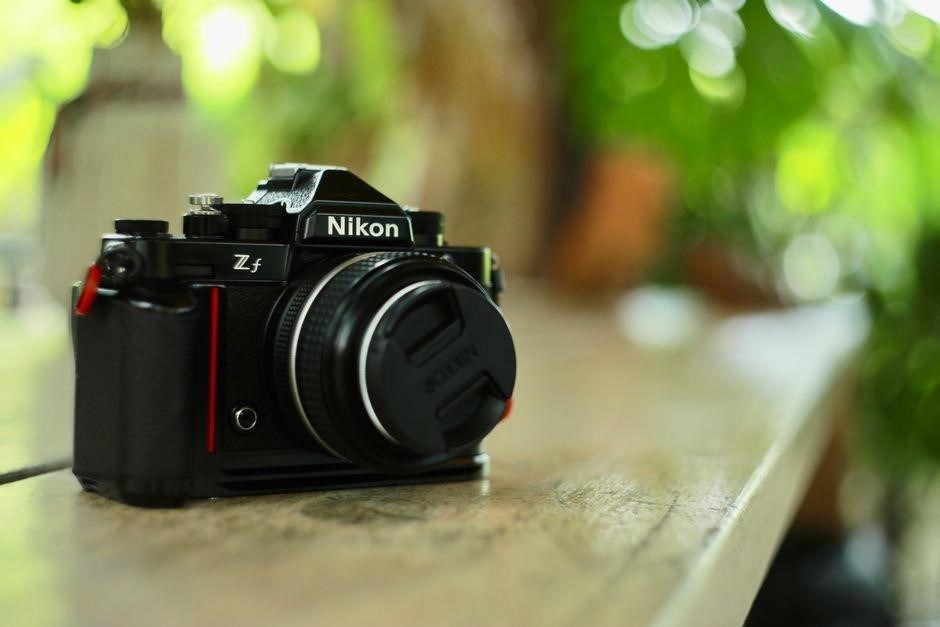
Operating the Nikon F3
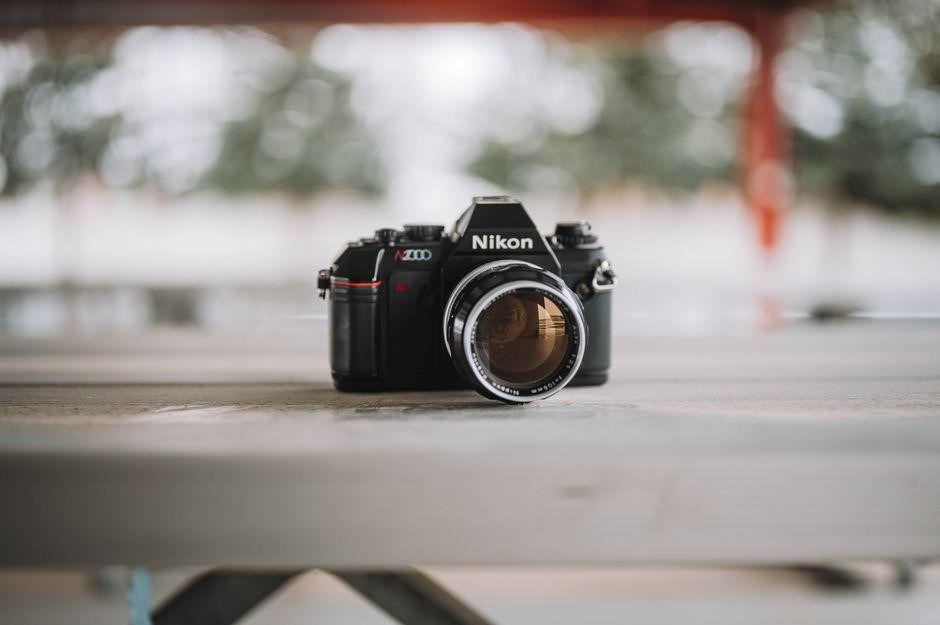
Operating the Nikon F3 involves mastering its manual focus, exposure controls, and film loading. The camera’s shutter speeds range from 1/5000 s to 30 s, with a 3‑second self‑timer and silent mode for discreet shooting. Use the 3‑point metering system for accurate exposure. Set ISO manually for optimal exposure!
Power and Power Options
The Nikon F3 operates on a single 4.5 V Ni‑Cd battery (CR‑2032) or 4.5 V Ni‑MH pack, giving up to 3000 shots. The power switch toggles between ON, OFF, and a “sleep” mode that conserves battery life when the shutter is not in use. To activate sleep mode, press the power button twice within 2 seconds; the indicator lamp will dim and the camera will enter standby. Re‑engaging the camera is as simple as pressing the power button once, which restores full functionality. The F3’s internal power‑management circuitry automatically detects battery voltage and displays a warning on the viewfinder if the level drops below 3.0 V, prompting the user to replace or recharge the battery. For shooting sessions, the camera supports a charger that can recharge the Ni‑Cd or Ni‑MH pack in under 90 minutes. The F3 also features a 3‑second self‑timer that can be activated via the self‑timer switch; this function is powered by the battery pack and allows the photographer to position the camera on a tripod or stable surface. The camera’s power consumption is optimized through a shutter mode, which reduces noise and power draw, extending battery life during environments such as concerts or wildlife photography. When the camera is not in use, it is recommended to turn it OFF to prevent unnecessary power drain. The F3’s power system is designed for reliability and use, daily, ensuring that photographers can focus on capturing images rather than managing battery life.
Basic Shooting Modes
The Nikon F3 offers a concise set of shooting modes that cater to a wide range of photographic situations. The camera’s mode dial features three primary positions: Auto, Manual, and Program. In Auto mode, the F3 automatically selects shutter speed, aperture, and exposure compensation, making it ideal for quick snapshots or when the photographer wants to focus on composition alone. The Manual mode gives full control, allowing the photographer to set both shutter speed and aperture independently; this mode is essential for creative expression, low‑light work, or when precise exposure is required. The Program mode automatically chooses a compatible shutter speed and aperture pair, but the photographer can shift the program by adjusting the exposure compensation dial, providing a balance between automation and manual influence. Additionally, the camera includes a Night Scene sub‑mode that automatically selects a long shutter speed and a wide aperture to capture low‑light environments, while a Portrait sub‑mode optimizes depth of field for flattering subject rendering. The F3’s built‑in metering system uses a center‑weighted average that ensures consistent exposure across most scenes. For advanced users, the camera supports a Bulb mode, where the shutter remains open as long as the shutter release is held, enabling long‑exposure photography such as star trails or light painting. The F3’s shutter speed range extends from 1/2000 s to 30 s, with a 1/1000 s bulb option. Each mode is clearly indicated on the top plate, and the camera’s viewfinder displays the selected shutter speed and aperture for quick reference. These modes collectively provide a flexible workflow that adapts to both novice and experienced photographers, ensuring that the Nikon F3 remains a reliable tool in any shooting scenario. painting.!
Exposure Control Settings
The Nikon F3’s exposure system is built around a robust combination of shutter speed, aperture, and ISO sensitivity, all of which can be adjusted manually or automatically depending on the chosen shooting mode. The camera’s shutter speed selector allows a range from 1/2000 s to 30 s, with a 1/1000 s bulb option for long‑exposure work. Aperture selection is facilitated by the interchangeable F‑mount lenses, each offering a maximum opening of f/1.4 to f/16, and the camera’s viewfinder displays the current f‑stop for instant feedback. ISO sensitivity is fixed at 100, 200, 400, and 800, selectable via the ISO dial; the camera’s metering system is center‑weighted, ensuring accurate exposure in most lighting conditions. The F3 also features an exposure lock (AEL) button that freezes the current exposure reading, enabling the photographer to compose in challenging lighting without recalculating exposure. For creative control, the camera offers a manual exposure mode where shutter speed and aperture are set independently, and a program mode that automatically pairs a suitable shutter speed and aperture while still allowing the photographer to shift the program by adjusting exposure compensation. The built‑in metering system reads the scene through the viewfinder, providing a real‑time exposure preview on the display. All these controls work together to give the user precise command over exposure, whether shooting in bright daylight, low‑light interiors, or high‑contrast scenes. The camera’s robust design ensures reliable performance now!

Lens Compatibility and Mounting
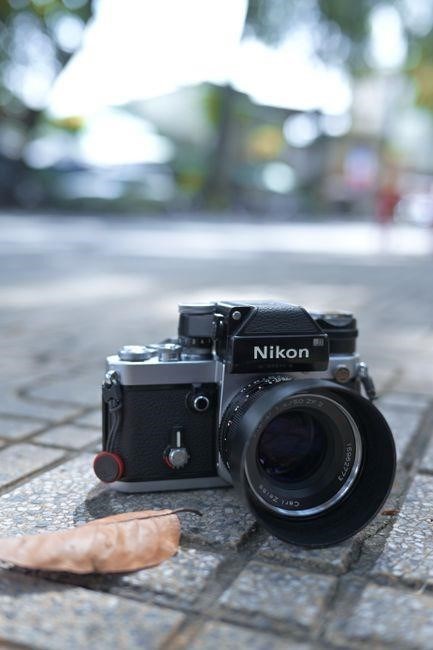
The Nikon F3 uses the classic F‑mount, supporting all Nikon F‑series lenses from 35 mm to 300 mm. It accepts both manual and auto‑focus lenses, with a built‑in focus distance scale. The mount’s robust design ensures reliable coupling, while the rear‑viewfinder shows lens data for quick reference. for all usr
F‑mount Lens Types
The Nikon F3 is built around Nikon’s enduring F‑mount system, which has been the cornerstone of the brand’s interchangeable‑lens lineup for decades. This mount accommodates a wide spectrum of lenses, ranging from compact 35 mm primes to high‑end 300 mm telephoto models. Both manual focus (MF) and autofocus (AF) lenses are fully supported, allowing photographers to choose the style that best fits their workflow. The mount’s mechanical interface is engineered for durability, featuring a robust flange and a reliable locking mechanism that ensures secure attachment during vigorous shooting. Lens compatibility is further enhanced by the inclusion of a focus distance scale on the lens mount, which provides instant distance information directly in the viewfinder. This feature is especially useful for manual focus work, enabling quick adjustments without the need to consult external tools. In addition, the F‑mount’s design allows for the use of a variety of lens attachments, such as extension tubes, bellows, and macro rings, expanding creative possibilities. The camera’s rear‑viewfinder displays lens data, including focal length and maximum aperture, giving the operator immediate feedback on lens selection on the fly. Overall, the F‑mount’s versatility, combined with the F3’s robust build, makes it a compelling choice for photographers who value flexibility and reliability in a classic SLR platform. Its robust build and ergonomic design make the F3 a choice for professionals seeking reliable performance in shooting.
Lens Attachments and Adapters
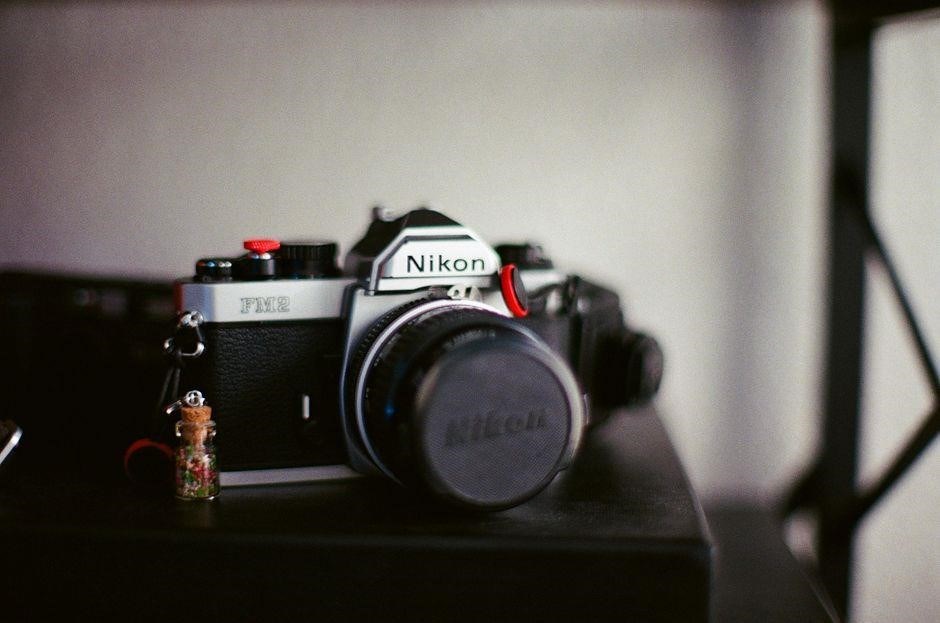
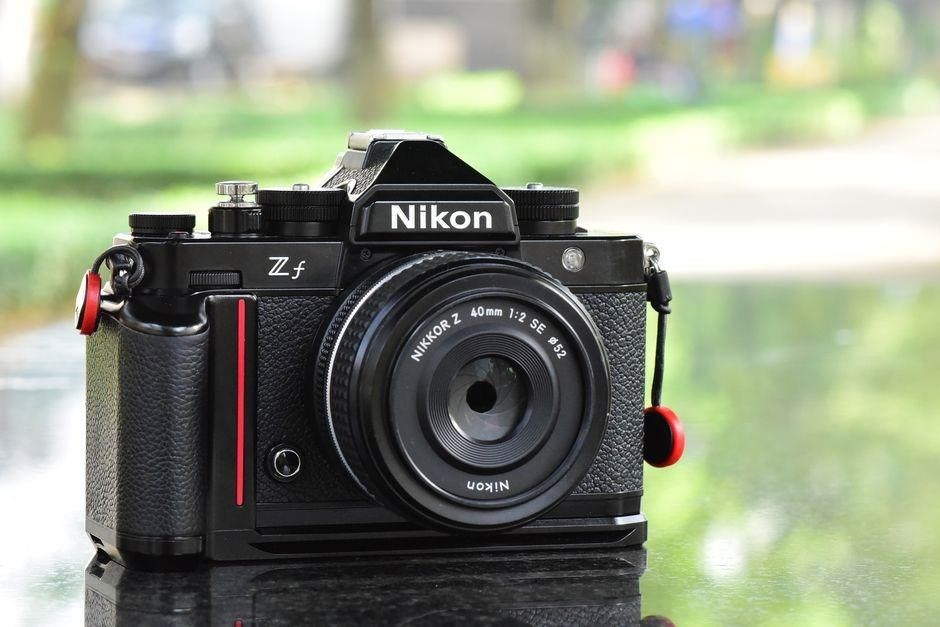
The Nikon F3’s F‑mount is designed to accommodate a wide range of accessories that extend the camera’s versatility. Common attachments include extension tubes, which allow macro shooting by increasing the distance between the lens and sensor, and bellows, which provide adjustable extension and a flexible framing system for close‑up work.
Adapters are essential when using lenses from other manufacturers or older Nikon models. The Nikon F‑to‑AF‑mount adapter enables the use of older manual focus lenses on the F3, and the Nikon AF‑to‑F adapter allows newer autofocus lenses to be mounted on the camera. These adapters preserve the mechanical coupling and focus distance scale, ensuring accurate focus and reliable operation. They also support third‑party focus distance indicators for focus and lens compatibility.
Additionally, the F3 supports filter threads on the lens front, allowing the attachment of neutral density, polarizing, and graduated filters. These filters are especially useful for controlling exposure in challenging lighting conditions or for adding creative effects. When using filters, it is important to select the correct diameter to match the lens’s filter thread size.
Overall, the combination of built‑in attachments and third‑party adapters gives the Nikon F3 a high degree of flexibility, enabling photographers to adapt the camera to a wide range of shooting scenarios. The robust design of the F‑mount ensures that these accessories can be used reliably over long periods of time without compromising image quality or mechanical performance.
Flash and Accessory Integration
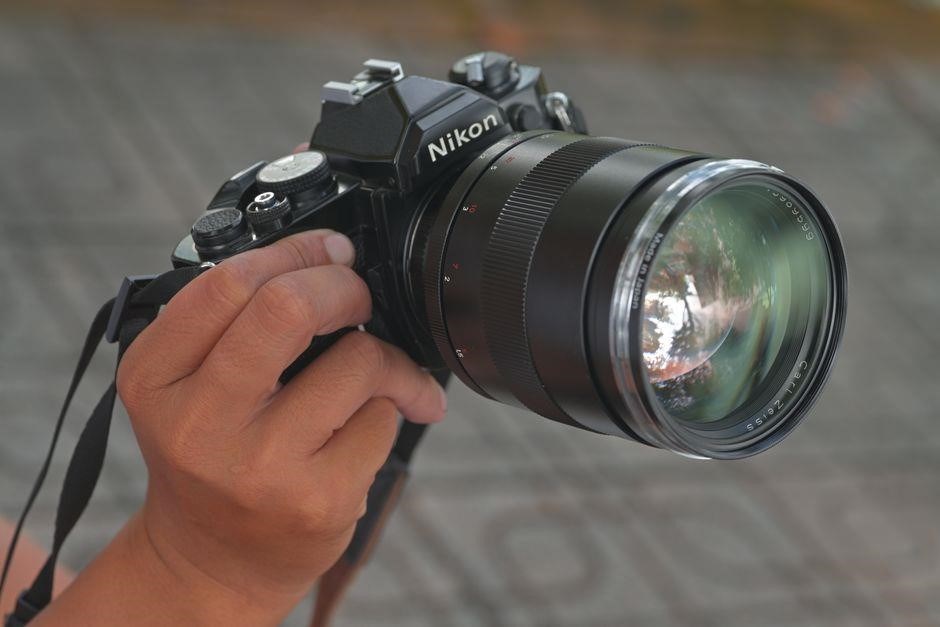
The Nikon F3 features a hot‑shoe for external flash units and a built‑in strobe. The hot‑shoe supports TTL metering, enabling automatic flash exposure. Accessories such as diffusers, bounce cards, and flash brackets can be attached, expanding creative options.!!!??
Built‑in Flash Features
The Nikon F3’s integrated flash system is engineered for versatility and reliability. It offers a 1/2000‑second sync speed, allowing the camera to capture sharp images even at high shutter speeds. The flash unit automatically adjusts output through Nikon’s built‑in TTL metering, ensuring balanced exposure across a wide range of lighting conditions. Users can select from multiple flash modes: Auto, Manual, Red‑Eye Reduction, and Slow Sync. The Auto mode delivers optimal power based on scene analysis, while Manual mode grants full control over flash intensity via the 1/2‑stop increments on the flash dial. Red‑Eye Reduction emits a pre‑flash burst to contract pupils, minimizing unwanted red eyes in portraits. Slow Sync pairs a long exposure with a low flash output, blending ambient light and flash for natural‑looking depth of field. The flash also supports High‑Speed Sync up to 1/2000 s, enabling use of wide apertures in bright conditions. Built‑in safety features include flash safety lock that prevents accidental firing when the camera is in the “Off” position, and a low‑battery indicator that signals when the internal battery may not support full flash output. The F3’s flash is compatible with Nikon’s AF‑D and AF‑S lenses, allowing the camera to automatically detect flash exposure compensation settings for lenses that support it. Overall, the built‑in flash on the Nikon F3 delivers a robust set of features that cater to both novice photographers and seasoned professionals seeking reliable on‑camera lighting solutions. for studio use and!
External Flash and Hot‑shoe Use
When using an external flash with the Nikon F3, the camera’s hot‑shoe interface provides a reliable connection for power, data, and control signals. The hot‑shoe is a standard 1/4‑inch metal rail that accepts Nikon’s proprietary Speedlite units as well as third‑party flashes that support the ISO 518 standard. The F3’s hot‑shoe is designed to transmit TTL metering information, allowing the flash to adjust output automatically based on the camera’s exposure settings. In addition, the camera supports manual flash mode, where the photographer can set the flash power level directly on the Speedlite or via the camera’s flash control dial. The F3’s hot‑shoe also includes a built‑in flash sync trigger that enables sync (HSS) up to 1/2000 s when paired with compatible Speedlites. The camera’s flash exposure compensation (FEC) function can be accessed by pressing the “Flash” button and rotating the command dial, providing ±2 levels in 1/3‑stop increments. For advanced users, the F3 offers a “Flash” mode that allows the camera to trigger an external flash in sync with the shutter, useful for studio lighting setups. The hot‑shoe’s mounting flange is robust, ensuring secure attachment of the flash unit even during vigorous handheld shooting. When using a wireless flash trigger, the F3 can transmit TTL data to the remote unit via the hot‑shoe’s data pins, enabling off‑camera flash control. The camera’s power supply for the hot‑shoe is supplied by the internal battery, so using a high‑capacity battery or an external power pack can extend shooting time. Overall, the Nikon F3’s external flash and hot‑shoe system offers flexibility, reliability, and advanced control for a wide range of photographic scenarios.