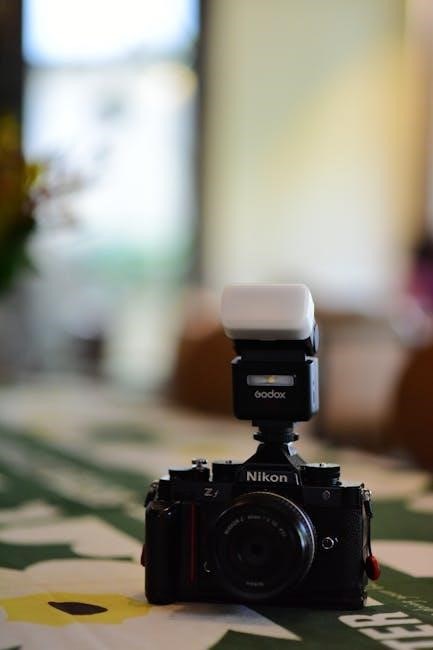
Nikon Speedlight SB-700 User Manual: A Comprehensive Guide
This comprehensive guide details the Nikon SB-700’s features, offering insights into operation manuals, downloadable resources, and troubleshooting for optimal photographic results․
The Nikon SB-700 is a versatile and powerful Speedlight designed to elevate your photography․ This manual provides a detailed exploration of its capabilities, from basic operation to advanced techniques․ Accessible through the Nikon Download Center, users can find comprehensive operation manuals in PDF format, viewable with readily available free software․
Whether you’re a seasoned professional or a photography enthusiast, understanding the SB-700’s features – as detailed in resources like Manualzilla – will unlock creative potential․ This guide aims to demystify its functions, ensuring optimal performance and stunning results․
Key Features and Specifications
The Nikon SB-700 boasts a tilt-swivel flash head, enabling bounce flash versatility․ It supports TTL (Through-The-Lens) flash modes for automatic exposure, alongside comprehensive manual control․ Key specs include a guide number of 28m (ISO 100, 200mm), recycle time of approximately 2․5 seconds, and compatibility with Nikon’s Creative Lighting System․
Its compact design and robust build quality make it ideal for various shooting scenarios․ Detailed specifications and feature breakdowns are available within the official Nikon documentation, accessible via online resources and downloadable manuals․
Package Contents & Initial Setup
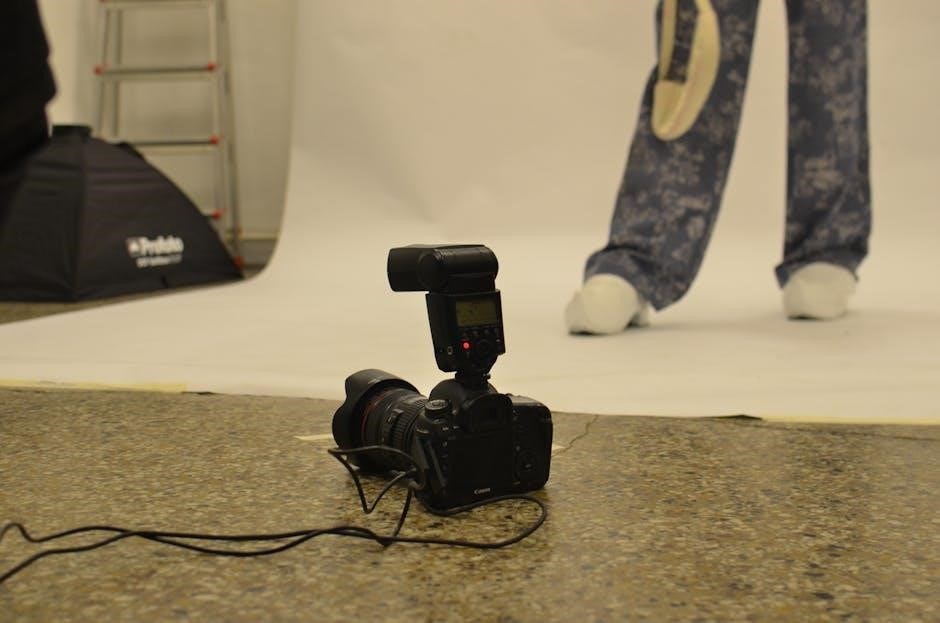
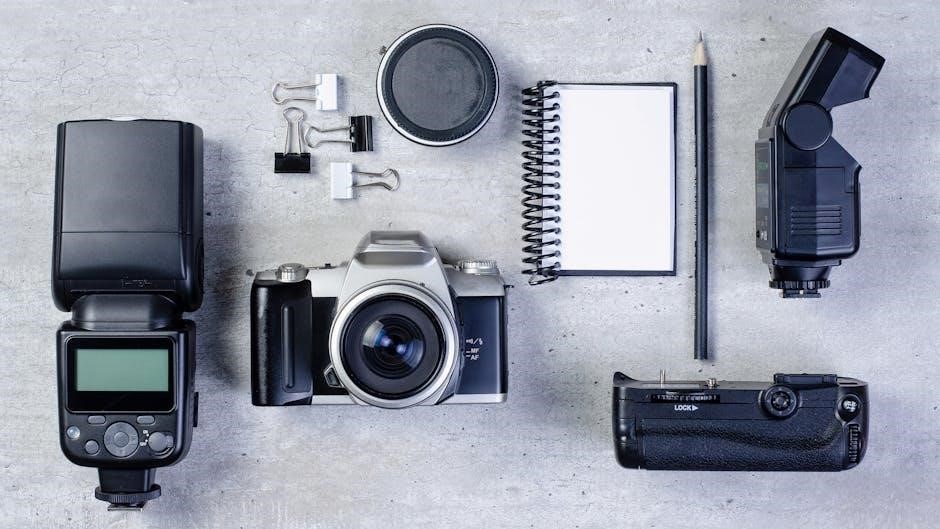
Upon opening the box, you’ll find the SB-700 speedlight unit, a stand, a soft case for protection, and this comprehensive user manual․ Initial setup involves installing batteries (refer to the ‘Powering the Speedlight’ section)․ Ensure the speedlight securely mounts onto your camera’s hot shoe․
Familiarize yourself with the control panel and LCD display․ Downloading the latest operation manual from Nikon’s website provides supplementary guidance for a smooth and efficient setup process, maximizing your photographic potential․
Understanding the SB-700’s Control Panel
The SB-700’s control panel is your central hub for adjusting flash settings․ It features dedicated buttons and a rotating dial for navigating menus and modifying parameters․ The panel allows quick access to flash mode selection, power level adjustments, and bounce/tilt settings;
Understanding the layout is crucial for efficient operation․ Refer to the ‘Buttons and Dials Explained’ section for a detailed breakdown of each control, enabling you to master the speedlight’s capabilities and achieve desired lighting effects․
Buttons and Dials Explained
The SB-700 boasts several key controls․ The power button initiates operation, while the mode button cycles through flash modes – Auto, Manual, and TTL․ The selector dial adjusts flash power levels in Manual mode and compensation in TTL․ Dedicated buttons control bounce and lock features․
The ‘C’ button accesses Custom Functions for personalized settings․ The LCD display provides feedback on selected options․ Mastering these controls unlocks the full potential of the speedlight, allowing precise adjustments for varied shooting scenarios․
LCD Display Information
The SB-700’s LCD panel is central to operation․ It displays the current flash mode (TTL, Manual, Auto), power level (in Manual), and compensation settings (in TTL)․ Battery level is prominently shown, alongside ready indicators; Custom Function selections are also visible․
Icons indicate high-speed sync, rear-curtain sync, and wireless modes․ The display dynamically updates with each adjustment, providing clear, concise feedback․ Understanding these indicators is crucial for effective flash control and troubleshooting․
Powering the Speedlight
The Nikon SB-700 utilizes AA-size batteries for power, offering versatility and convenience․ It accepts both alkaline and rechargeable Ni-MH batteries, though performance varies․ Ensure correct polarity during installation – a critical step for proper function․
The speedlight automatically powers off to conserve energy after a period of inactivity․ Battery life is significantly impacted by flash frequency and power settings․ Regularly check the battery indicator on the LCD to avoid unexpected power loss during shoots․
Battery Types and Installation
The SB-700 is powered by four AA-size batteries, supporting alkaline, lithium, or Ni-MH rechargeable types․ Ni-MH batteries are recommended for frequent flash use, offering cost-effectiveness and consistent power․ To install, open the battery compartment and insert batteries according to the polarity markings (+ and -)․
Incorrect installation prevents operation and can damage the unit․ Use the same type of battery for all four slots for optimal performance and avoid mixing old and new batteries․
Battery Life and Indicators
Battery life varies significantly based on flash mode and usage frequency․ Approximately 330 flashes are achievable with alkaline batteries at full power output․ The SB-700 features a battery level indicator on the LCD display, showing remaining capacity with three segments․
A low battery warning appears when only a few flashes remain․ The indicator also flashes during pre-flash sequences, providing a visual cue for battery status during operation․
Flash Modes: Auto & Manual
The Nikon SB-700 offers versatile flash modes, including Auto and Manual settings to suit diverse shooting scenarios․ Auto mode simplifies operation, automatically adjusting flash output based on ambient light․ Manual mode grants full control over flash power, allowing precise adjustments for creative lighting effects․
Selecting the appropriate mode depends on the photographer’s needs and desired level of control․ Experimentation with both modes is encouraged to master the SB-700’s capabilities․
TTL (Through-The-Lens) Flash
TTL (Through-The-Lens) flash metering is a sophisticated system within the Nikon SB-700․ It automatically calculates the optimal flash exposure just before the shutter release, ensuring accurate and consistent results․ This mode utilizes the camera’s metering system to evaluate the scene’s brightness․
TTL simplifies flash photography, especially in rapidly changing lighting conditions․ It offers various sub-modes for nuanced control, adapting to different shooting situations and creative intentions․
Manual Flash Mode Settings
Manual flash mode grants photographers complete control over flash power output․ Within the Nikon SB-700, this is achieved by adjusting the flash exposure compensation, allowing precise adjustments to brightness․ Power levels are typically displayed in stops, offering granular control over the emitted light․
This mode is ideal for situations where TTL metering proves inconsistent or when a specific creative effect is desired․ Mastering manual mode unlocks artistic potential and consistent results․
Advanced Flash Control
The Nikon SB-700 offers advanced control features beyond basic power adjustments․ These include sophisticated settings like flash exposure compensation, sync speed control, and modeling flash options․ Users can fine-tune the flash duration and color temperature for precise lighting effects․
Furthermore, advanced bounce flash techniques and remote control capabilities expand creative possibilities․ Mastering these features allows photographers to achieve professional-quality results in diverse shooting scenarios, enhancing overall image quality․
High-Speed Sync (HSS)
High-Speed Sync (HSS) allows the SB-700 to synchronize with shutter speeds faster than the camera’s standard flash sync speed․ This is crucial for utilizing wide apertures in bright conditions, achieving shallow depth of field without overexposure․
HSS enables freezing motion effectively and controlling ambient light, expanding creative control․ Remember to verify camera compatibility and adjust settings accordingly for optimal HSS performance and consistent results in various shooting environments․
Rear-Curtain Sync
Rear-Curtain Sync alters the timing of the flash, firing it just before the shutter’s second curtain closes․ This creates unique motion blur effects, showing the movement leading up to the flash, rather than trailing behind․
It’s ideal for capturing light trails or dynamic subjects․ Experiment with slower shutter speeds to accentuate the blur․ Ensure your camera supports rear-curtain sync for proper functionality and creative photographic expression․
Bounce Flash Techniques
Bounce flash utilizes surfaces – ceilings or walls – to diffuse the light, creating softer, more natural illumination․ The SB-700’s adjustable head is crucial for directing the flash upwards or sideways․
White surfaces yield the best results, avoiding color casts․ Experiment with angles to control the light’s spread and intensity․ Bouncing minimizes harsh shadows, enhancing portraits and indoor photography․ Mastering bounce flash significantly improves image quality and aesthetic appeal․

Utilizing Flash Heads for Optimal Lighting
The SB-700’s articulating flash head is paramount for shaping light․ Tilting and rotating the head allows for bouncing, creating softer illumination, or direct lighting for specific effects․
Zoom functionality adjusts the flash coverage to match your lens’s field of view․ Utilize the head’s range to minimize vignetting and maximize light efficiency․ Experiment with positioning to sculpt shadows and highlight subjects effectively, achieving professional-looking results․
Angle Adjustment and Positioning
Precise angle adjustments are crucial for optimal lighting․ The SB-700’s head rotates horizontally 180 degrees and tilts vertically from -7 to 90 degrees․ This flexibility enables bouncing flash off walls or ceilings for softer, more natural light․
Positioning impacts shadow creation and overall image quality․ Experiment with angles to avoid red-eye and achieve desired effects․ Locking the head securely after adjustment prevents unwanted movement during shooting, ensuring consistent results․
Wireless Flash Control
The SB-700 excels in wireless operation, functioning as both a commander and a remote unit․ In Commander Mode, it wirelessly controls compatible Nikon Speedlights, offering versatile multi-flash setups․ Remote Mode allows the SB-700 to receive signals from a commander, expanding creative possibilities․
Channels and groups enable precise control over individual flashes․ Utilizing wireless capabilities simplifies complex lighting arrangements, eliminating the need for cumbersome cables and providing greater freedom during shoots․
Commander Mode – Controlling Remote Flashes
When operating as a commander, the SB-700 transmits signals to remotely positioned Nikon Speedlights․ This allows photographers to control flash settings – power levels, modes, and groups – directly from the SB-700 mounted on the camera․
Selecting channels and groups is crucial for assigning flashes and preventing interference․ Commander Mode streamlines complex lighting setups, offering precise control over multiple flash units without physical connections, enhancing creative flexibility․
Remote Mode – Receiving Signals from Commander
In Remote Mode, the SB-700 functions as a slave flash, responding to commands transmitted by a compatible Nikon Speedlight operating in Commander Mode․ Proper channel and group selection are vital for establishing communication and ensuring the flash fires in sync with the commander’s settings․

This mode expands lighting possibilities, enabling off-camera flash without cords․ The SB-700 accurately replicates the commander’s power and mode adjustments, simplifying complex multi-flash setups․
Custom Functions (C․Fn) – Personalizing the SB-700
The SB-700’s Custom Functions (C․Fn) allow photographers to tailor the speedlight’s behavior to their specific shooting styles and preferences․ Accessed through the menu system, these settings control various aspects, from flash parameter recall to auto-modeling flash duration․
Adjusting C․Fn settings optimizes workflow and enhances creative control․ Experimentation is encouraged to discover combinations that best suit individual needs, maximizing the SB-700’s versatility and responsiveness․
Important Custom Function Settings
Several Custom Function settings significantly impact the SB-700’s performance․ C․Fn 01 (Flash Parameter Recall) remembers settings after power cycling, saving time․ C․Fn 02 (Modeling Flash Duration) adjusts the pre-flash length for accurate exposure․

C․Fn 03 (Auto Modeling Flash Repetition) controls the number of modeling flashes․ Prioritizing these settings streamlines operation and ensures consistent results, particularly in complex lighting scenarios, enhancing the speedlight’s overall usability․
Resetting Custom Functions
To restore the SB-700 to its factory default settings, access the Custom Function menu․ Navigate to C․Fn 09 (Reset Custom Functions) and select “Reset All․” Confirm the reset to clear all personalized settings․
This action reverts all Custom Functions to their original values, providing a clean slate for new configurations․ Regularly resetting can resolve unexpected behavior or when transferring settings between speedlights, ensuring consistent operation․
Troubleshooting Common Issues
Encountering problems? If the flash isn’t firing, verify battery installation, check the camera-speedlight connection, and ensure the flash mode is appropriate for your shooting scenario․ Communication errors often stem from interference or distance; reposition or reduce obstructions․
For persistent issues, consult the Nikon documentation or online resources․ A reset of custom functions can also resolve unexpected behavior․ Proper troubleshooting ensures optimal performance․
Flash Not Firing
If the SB-700 fails to fire, first confirm the batteries are correctly installed and sufficiently charged․ Verify the speedlight is securely attached to the camera’s hot shoe, establishing a solid connection․ Double-check the flash mode setting on both the camera and the speedlight itself․
Ensure the camera is set to a mode allowing flash usage․ A simple power cycle of both camera and flash can sometimes resolve connectivity issues․

Communication Errors
Communication errors between the SB-700 and your Nikon camera can manifest as inconsistent firing or complete failure to synchronize․ Ensure a clean and unobstructed connection on the hot shoe․ Interference from other wireless devices might disrupt the signal; try moving to a different location․
Verify the camera and flash firmware are up-to-date, as outdated versions can cause compatibility problems․ Resetting both devices can sometimes re-establish stable communication;
Firmware Updates & Resources
Keeping your SB-700’s firmware current ensures optimal performance and compatibility with newer Nikon camera models․ Nikon’s Download Center provides the latest firmware updates and necessary update tools․ Regularly check for updates to benefit from bug fixes and enhanced features․
The Nikon website also hosts comprehensive user manuals, software downloads, and FAQs․ These resources are invaluable for troubleshooting and maximizing the speedlight’s capabilities․ Accessing these materials is crucial for a seamless user experience․
Checking for and Installing Firmware Updates
To check for updates, visit Nikon’s Download Center and navigate to the SB-700 support page․ Download the latest firmware version and carefully follow the provided installation instructions․ Typically, this involves formatting a memory card, copying the firmware file, and powering on the speedlight in update mode․
Ensure a stable power source during the update process to prevent interruptions․ Incorrect installation can render the SB-700 inoperable, so meticulous adherence to the guide is vital․
Nikon Download Center for Manuals & Software
Nikon’s Download Center is a crucial resource for SB-700 users; Access comprehensive user manuals in PDF format, alongside software updates and drivers․ You’ll find detailed documentation covering all aspects of operation, troubleshooting guides, and specifications․
The center also hosts firmware updates essential for maintaining optimal performance and compatibility․ Regularly checking this resource ensures your SB-700 functions with the latest enhancements and bug fixes․
Safety Precautions & Maintenance

Prioritize safety when using the SB-700․ Avoid direct eye exposure to the flash output and never disassemble the unit․ Handle with care, protecting it from impacts and extreme temperatures․ For maintenance, clean the exterior with a soft, dry cloth․
Store the speedlight in a cool, dry place, away from dust and moisture․ Do not use harsh chemicals or solvents for cleaning․ Regular, gentle care ensures longevity and reliable performance․
Handling and Storage Guidelines
Proper handling extends the SB-700’s lifespan․ Avoid dropping or subjecting the unit to strong shocks․ Grip firmly when attaching or detaching from the camera․ For storage, use a protective case to prevent dust accumulation and physical damage․
Keep the flash in a dry environment, away from direct sunlight and extreme temperatures․ Remove batteries during prolonged storage to prevent corrosion․ Careful storage ensures readiness for your next shoot․
Cleaning the Speedlight
Regular cleaning maintains optimal performance․ Use a soft, dry cloth to wipe the exterior, removing dust and fingerprints․ For stubborn dirt, slightly dampen the cloth with water, ensuring no liquid enters the unit․ Avoid solvents or abrasive cleaners, as they can damage the finish․
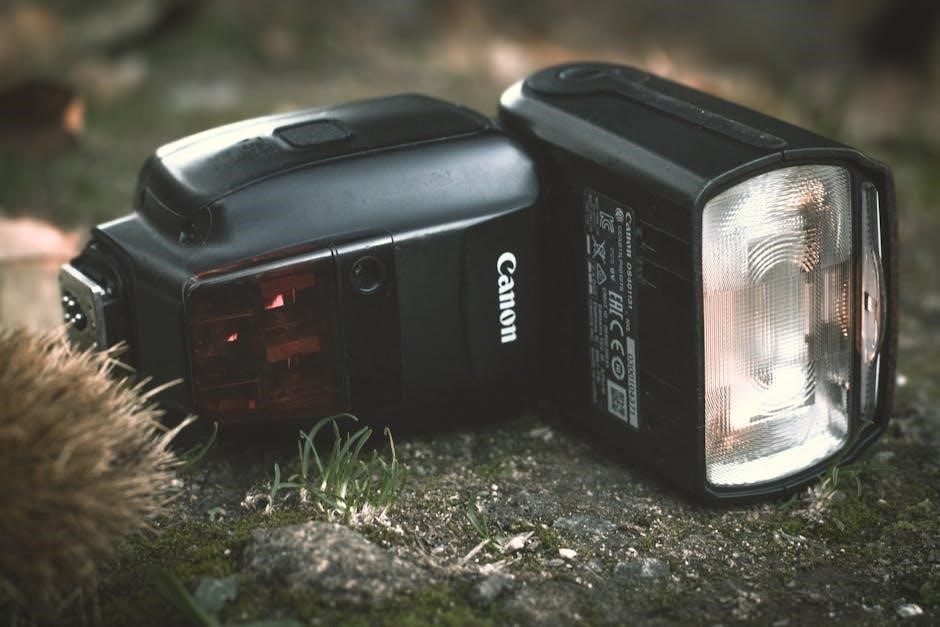
Pay attention to the flash head and foot mount, ensuring they are free of debris․ Inspect the contacts and gently clean them with a cotton swab if necessary․