
Rival rice cookers simplify meal preparation, offering convenient cooking without constant monitoring. These appliances are popular for households lacking microwaves,
and provide a cost-effective alternative to complex cooking setups.
Understanding Your Rival Rice Cooker Model
Identifying your specific Rival rice cooker model is crucial for optimal use. Different models possess varying features and capacities. Refer to the cooker’s base or documentation for the model number. Understanding this allows access to the correct manual, ensuring you utilize all functionalities effectively.
Many users rely on electric cookers when microwaves aren’t available, highlighting their practicality. Some models offer advanced settings beyond basic rice cooking, like steaming or slow cooking. Familiarize yourself with these options to expand your culinary possibilities. Knowing your model’s capabilities unlocks its full potential.
Key Features and Components
Rival rice cookers typically include a non-stick inner pot, essential for easy food release and cleaning. A heating element, located beneath the pot, provides consistent heat for even cooking. The control panel, varying by model, manages cooking cycles. A steam vent releases excess moisture, preventing mushy rice.
Some models feature a “keep warm” function, maintaining rice temperature after cooking. Considering households without microwaves often depend on these cookers, these features are vital. Understanding each component ensures safe and efficient operation, maximizing the cooker’s lifespan and performance.

Preparing to Cook with Your Rival Rice Cooker
Before first use, ensure the cooker is clean and understand its controls. Proper preparation, especially for households without microwaves, guarantees optimal cooking results.
Initial Setup and Cleaning
Upon unboxing your Rival rice cooker, carefully remove all packaging materials. Before the initial cook, thoroughly wash the inner pot, steam tray (if included), and any detachable parts with warm, soapy water. Rinse completely and dry. Wipe the exterior of the cooker with a damp cloth.
It’s crucial to eliminate any manufacturing residue. For households utilizing electric cookers as a primary cooking method, maintaining cleanliness is paramount. A clean cooker ensures food safety and optimal performance. Avoid abrasive cleaners, as they can damage the non-stick coating.
Understanding the Control Panel
The Rival rice cooker’s control panel is designed for intuitive operation. Typically, you’ll find a “Cook” and “Warm” setting. The “Cook” mode initiates the cooking cycle, while “Warm” automatically activates after cooking completes, keeping rice at serving temperature.
Some models feature a “Delayed Start” function for convenient timed cooking. More advanced cookers may include specialty programs for different rice types or other grains. Familiarize yourself with the specific functions of your model. Proper understanding ensures efficient and successful meal preparation, especially for those relying on electric cookers.
Water Level Guidelines for Different Rice Types
Achieving perfectly cooked rice relies on precise water-to-rice ratios. For white rice, a common guideline is a 1:1 ratio – one cup of rice to one cup of water. Brown rice requires more water, typically 1 cup of rice to 1.5-2 cups of water, due to its longer cooking time.
Jasmine rice benefits from a slightly lower ratio, around 1 cup of rice to 1.25 cups of water, to maintain its fragrant texture. Always refer to your cooker’s manual for specific recommendations, as models may vary. Accurate measurements are key to avoiding mushy or dry results.

Basic Rice Cooking Instructions
Rival rice cookers offer simple operation: add rice and water, close the lid, and select the appropriate cooking mode for consistently fluffy results.
White Rice Cooking Procedure
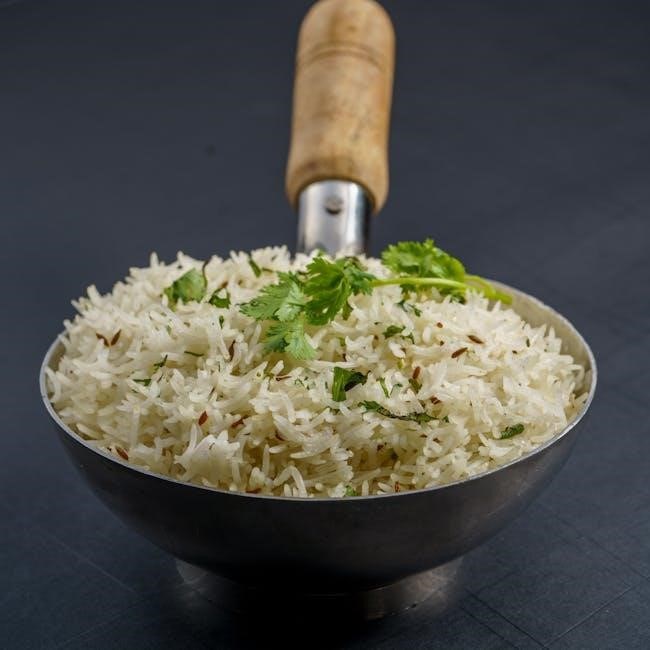
To cook white rice in your Rival rice cooker, begin by measuring the desired amount of rice. Rinse the rice under cold water until the water runs clear – this removes excess starch for a fluffier texture. Add the rinsed rice to the cooker’s inner pot.
Next, add water according to the rice-to-water ratio recommended for white rice (typically 1:1 or 1:1.5, check your model’s instructions). Secure the lid, ensuring a proper seal. Select the “White Rice” or “Cook” setting and press start. The cooker will automatically switch to the “Warm” setting once cooking is complete. Allow the rice to rest for 10 minutes before fluffing with a fork and serving.
Brown Rice Cooking Procedure
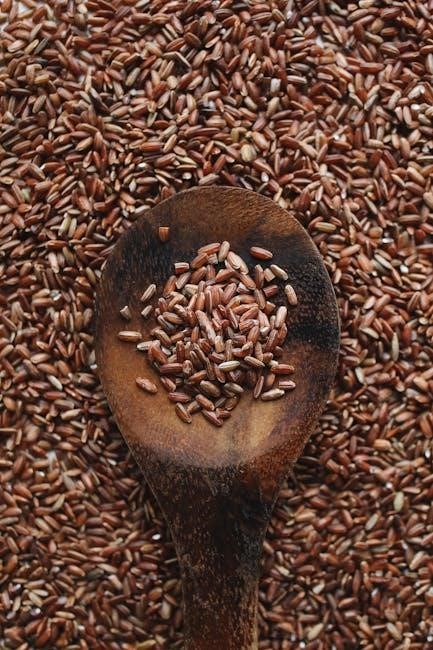
Cooking brown rice in your Rival rice cooker requires a slightly different approach than white rice. Begin by measuring the desired amount of brown rice and rinsing it thoroughly under cold water. Add the rinsed rice to the inner pot. Brown rice generally needs more water than white rice; a ratio of 1:2 or 1:2.5 is typical, but consult your cooker’s manual.
Secure the lid and select the “Brown Rice” setting, if available. If not, use the standard “Cook” setting. Cooking time will be longer than for white rice. Once finished, allow the rice to steam for 10-15 minutes before fluffing and serving.
Jasmine Rice Cooking Procedure
Jasmine rice, known for its fragrant aroma, cooks beautifully in a Rival rice cooker. Begin by measuring the jasmine rice and rinsing it gently under cool water – avoid over-rinsing, as it removes some starch. A rice-to-water ratio of 1:1.25 is generally recommended, but adjust based on desired texture.
Place the rice and water into the inner pot, secure the lid, and select the “White Rice” or “Cook” setting. Jasmine rice typically cooks faster than other varieties. After the cycle completes, let it stand, covered, for 10 minutes before fluffing with a fork and serving.

Advanced Cooking Techniques
Rival rice cookers aren’t limited to rice! Explore steaming vegetables, cooking quinoa or barley, and even creating simple soups or stews within the pot.
Steaming Vegetables and Fish
Utilizing the steam basket accessory (sold separately), your Rival rice cooker becomes a versatile steamer. Add water to the inner pot – typically one to two cups, depending on steaming time. Place the vegetables or fish within the steam basket, ensuring they aren’t submerged.
Select the “Cook” setting and allow the cooker to cycle. Steaming times vary; delicate vegetables like broccoli require less time than root vegetables. Fish will cook quickly, generally within 10-15 minutes. Check for doneness with a fork. This method preserves nutrients and delivers flavorful, healthy meals.
Cooking Grains Other Than Rice (Quinoa, Barley)
Your Rival rice cooker isn’t limited to just rice! Grains like quinoa and barley can be successfully cooked using adjusted water ratios. For quinoa, use a 1:2 grain-to-water ratio; for barley, a 1:3 ratio is recommended. Rinse the grain thoroughly before adding it to the inner pot.
Select the “Cook” setting as you would for white rice. Cooking times will vary – quinoa typically takes 15-20 minutes, while barley requires 40-50 minutes. Check for tenderness and adjust cooking time if needed. Experiment to find your preferred consistency!
Making Soup or Stew in Your Rice Cooker
Surprisingly, your Rival rice cooker excels at creating soups and stews! Begin by sautéing vegetables directly in the pot using the “Cook” setting before adding liquids. Add broth, meats, and seasonings, ensuring sufficient liquid to prevent burning – a 1:3 ratio of ingredients to liquid is a good starting point.
Switch to the “Cook” setting and allow it to simmer for 30-60 minutes, depending on the recipe. Once cooked, switch to “Warm” to keep the soup or stew at a serving temperature. Remember to stir occasionally for even heating!
Maintenance and Cleaning
Regular cleaning ensures longevity and optimal performance. Daily rinsing of the inner pot is crucial, while periodic deep cleaning prevents residue buildup and maintains hygiene.
Daily Cleaning Procedures
After each use, unplug your Rival rice cooker and allow it to cool completely. Remove the inner cooking pot and wash it thoroughly with warm, soapy water. Avoid abrasive cleaners that could damage the non-stick coating. Rinse the pot well and dry it before replacing it in the cooker. Wipe down the exterior of the cooker with a damp cloth to remove any splatters or spills.
Pay attention to the steam vent, ensuring it’s free from blockages. A simple wipe-down is usually sufficient. Regularly cleaning prevents buildup and ensures efficient operation. Proper daily maintenance extends the life of your appliance and keeps it hygienic for future meals.
Deep Cleaning Your Rival Rice Cooker
For a thorough clean, unplug the cooker and remove all detachable parts. Wash the inner pot, steam vent, and any accessories with warm, soapy water. Inspect the heating element for any food residue; gently wipe it with a damp cloth – never submerge the cooker base in water!
To eliminate odors, create a solution of equal parts water and white vinegar, and run a short cooking cycle. Afterwards, wipe the interior dry. This deep cleaning, performed monthly, ensures optimal performance and prevents the buildup of stubborn stains, maintaining hygiene and extending the cooker’s lifespan.
Troubleshooting Common Issues
If your Rival rice cooker fails to power on, verify the power cord connection and outlet functionality. Mushy rice often indicates excessive water; reduce the liquid amount in subsequent attempts. Conversely, dry rice suggests insufficient water – increase the liquid slightly.
Persistent issues may require checking the heating element for damage. Regular cleaning prevents residue buildup, a common cause of malfunctions. If problems persist, consult the warranty information or contact customer support for assistance, ensuring safe and effective operation of your appliance.
Safety Precautions
Always prioritize electrical safety and handle the hot cooker with care to prevent burns. Protect the non-stick coating from damage during cleaning and use.
Electrical Safety Guidelines
Ensure the Rival rice cooker is used with a properly grounded electrical outlet, preventing potential shocks. Never operate the appliance with a damaged cord or plug; immediate replacement is crucial. Avoid immersing the cooker base in water or other liquids, as this poses a significant electrical hazard.
Do not use extension cords unless absolutely necessary, and if used, ensure they are rated for the cooker’s wattage. Always unplug the cooker before cleaning or when not in use. Keep the cooker away from flammable materials during operation. Regular inspection of the power cord is recommended to identify any signs of wear or damage.
Proper Handling of the Hot Cooker
Exercise extreme caution when handling the Rival rice cooker during and immediately after operation, as exterior surfaces become very hot. Always use oven mitts or pot holders when touching the cooker body, lid, or inner pot. Avoid placing the hot cooker on unstable surfaces, preventing accidental tipping and potential burns.
Allow the cooker to cool completely before attempting to clean or store it. Keep children and pets away from the hot appliance to prevent injuries. Never attempt to move the cooker while it contains hot rice or liquids. Handle the inner pot with care, even after removing it from the cooker.
Avoiding Damage to the Non-Stick Coating
To preserve the lifespan of your Rival rice cooker’s non-stick coating, avoid using metal utensils that can scratch and damage the surface. Opt for wooden, silicone, or plastic utensils instead. Refrain from abrasive cleaning agents or scouring pads; gentle hand washing with a soft sponge is recommended.
Avoid harsh chemicals, as they can degrade the coating. Do not stack other cookware directly on top of the inner pot, which could cause scratches. Proper care ensures consistent performance and prevents food from sticking, extending the cooker’s usability.

Understanding Cooking Modes
Rival rice cookers typically feature “Cook” and “Warm” settings, with some models offering delayed start or specialty programs for versatile meal preparation.
“Cook” vs. “Warm” Settings
Understanding the difference between the “Cook” and “Warm” settings on your Rival rice cooker is crucial for optimal results. The “Cook” setting utilizes high heat to bring the water to a boil and then simmers the rice to perfection. Once the cooking cycle is complete, the cooker automatically switches to the “Warm” setting.
The “Warm” setting maintains the rice at a safe and palatable temperature without continuing to cook it. This prevents sticking and keeps the rice fluffy for extended periods. It’s ideal for serving meals gradually or keeping rice warm until ready to eat. Avoid leaving rice on “Warm” for excessively long periods, as it can eventually dry out.
Delayed Start Function (If Applicable)
If your Rival rice cooker model features a delayed start function, it offers enhanced convenience for meal planning. This allows you to pre-set a cooking time, and the cooker will automatically begin cooking at the specified hour. This is particularly useful for preparing rice overnight or scheduling a meal to coincide with your arrival home.
To utilize this feature, first, ensure the rice and water are properly measured and placed inside the cooker; Then, set the desired start time using the control panel. Remember to consider the cooking time when setting the delay, ensuring the rice will be ready when needed.
Specialty Cooking Programs (If Applicable)
Some Rival rice cooker models boast specialty cooking programs extending beyond basic rice preparation. These programs cater to diverse culinary needs, offering pre-programmed settings for grains like quinoa and barley, or even for steaming vegetables and cooking soups. These features enhance the versatility of the appliance, making it a multi-functional kitchen tool.
Consult your specific model’s manual to understand the available programs and their optimal settings. Utilizing these programs simplifies cooking, ensuring consistent results without requiring manual adjustments to time or temperature. Experiment with different programs to discover new culinary possibilities!
Troubleshooting Common Problems
Addressing issues like mushy or dry rice, or a cooker that won’t power on, is crucial for continued use. Refer to the manual for solutions!
Rice is Too Mushy
If your rice consistently turns out mushy when using your Rival rice cooker, several factors could be at play. The most common cause is using too much water for the amount of rice being cooked. Carefully review the water level guidelines specific to the type of rice you are preparing – white, brown, or jasmine – as these vary significantly.
Another potential issue is overcooking. Ensure you are not extending the cooking time beyond the recommended settings. Also, avoid lifting the lid during the cooking process, as this releases steam and can disrupt the cooking cycle. Finally, consider reducing the water slightly in subsequent attempts to achieve your desired consistency.
Rice is Too Dry
Experiencing dry rice from your Rival cooker suggests insufficient liquid during the cooking process. Double-check that you’re adhering to the correct water-to-rice ratio for the specific rice variety. Remember, brown rice generally requires more water than white or jasmine rice. Ensure accurate measurement of both rice and water using appropriate measuring cups.
Conversely, if you’ve inadvertently used less water than recommended, the rice will absorb all the moisture before fully cooking. Avoid lifting the lid during cooking, as this releases essential steam. If dryness persists, slightly increase the water amount in your next cooking attempt.
Cooker Won’t Turn On
If your Rival rice cooker fails to power on, begin by verifying the power cord is securely plugged into both the cooker and a functioning electrical outlet. Test the outlet with another appliance to confirm it’s delivering power. Inspect the power cord for any visible damage, such as fraying or cuts, and replace it if necessary.
Ensure the cooker’s lid is properly sealed; many models feature a safety mechanism preventing operation without a secure lid. Finally, check the cooker’s internal thermostat or heating element – a malfunction in either could prevent activation.

Recipes for Your Rival Rice Cooker
Explore diverse culinary possibilities beyond basic rice! From simple chicken and rice dishes to vegetarian bowls and sweet pudding, expand your cooking repertoire easily.
Simple Chicken and Rice Recipe
This recipe utilizes the Rival rice cooker for a complete, flavorful meal. Begin by lightly seasoning 1.5 cups of chicken pieces with salt, pepper, and your preferred herbs. Add the chicken to the cooker, then incorporate 2 cups of rinsed long-grain rice and 3 cups of chicken broth. A touch of butter enhances the flavor;
Secure the lid and select the “Cook” setting. Once the cooker switches to “Warm,” allow it to rest for 10 minutes before fluffing with a fork. This ensures even cooking and prevents mushiness. Serve immediately and enjoy a comforting, easy-to-prepare dish!
Vegetarian Rice Bowl Recipe
Create a vibrant and healthy meal with this vegetarian rice bowl, perfectly cooked in your Rival rice cooker. Begin by adding 1.5 cups of your favorite rice – jasmine or brown work well – to the cooker. Add 2.5 cups of vegetable broth and a teaspoon of soy sauce for enhanced flavor.
Once cooked, fluff the rice and transfer it to a bowl. Top with steamed or roasted vegetables like broccoli, carrots, and bell peppers. Add a protein source like chickpeas or tofu. Drizzle with a sesame ginger dressing for a complete and satisfying vegetarian bowl!
Sweet Rice Pudding Recipe
Indulge in a comforting dessert with this simple sweet rice pudding, effortlessly prepared in your Rival rice cooker. Combine 1 cup of short-grain rice with 4 cups of milk (dairy or non-dairy) and ¼ cup of sugar within the cooker. Add a dash of vanilla extract and a pinch of cinnamon for aromatic warmth.
Cook on the standard setting until the rice is tender and the mixture has thickened, approximately 30-40 minutes. Stir occasionally to prevent sticking. Serve warm or chilled, garnished with a sprinkle of cinnamon or a drizzle of honey. Enjoy!
Accessories and Replacement Parts
Enhance your Rival rice cooker’s functionality with available accessories. Replacement parts, like inner pots, ensure longevity, maintaining optimal performance for years of use.
Where to Find Replacement Parts
Locating replacement parts for your Rival rice cooker can be achieved through several avenues. Online retailers are a convenient starting point, offering a wide selection and often competitive pricing. Websites specializing in appliance parts frequently stock components specifically for Rival models. Additionally, checking the official Rival website or contacting their customer support directly can provide information on authorized dealers and genuine parts.
Brick-and-mortar stores specializing in kitchen appliances or repair services may also carry common replacement parts, such as inner pots or steam vents. When ordering online, ensure the part number matches your specific model to guarantee compatibility. Careful research and verification will ensure a proper fit and continued optimal performance of your rice cooker.
Useful Accessories to Enhance Cooking
Expanding your Rival rice cooker’s functionality is easily done with a few key accessories. Steaming baskets are invaluable for preparing vegetables, fish, or dumplings alongside your rice, creating complete meals in one appliance. Non-stick inner pot replacements extend the cooker’s lifespan and maintain optimal performance. Measuring cups specifically designed for rice ensure accurate water-to-rice ratios, crucial for perfect results.
Additional helpful items include rice paddles for serving, and splatter covers to minimize mess during cooking. Considering the versatility of the cooker, exploring accessories can unlock even more culinary possibilities, making meal preparation simpler and more enjoyable.

Warranty Information
Rival rice cookers typically include a limited warranty covering manufacturing defects. Review your product documentation for specific terms, duration, and customer support contact details.
Understanding Your Rival Rice Cooker Warranty
Rival warranties generally protect against defects in materials and workmanship for a defined period, often one year from the purchase date. Carefully retain your proof of purchase, as it’s crucial for any warranty claim. The warranty doesn’t cover damage from misuse, accidents, or unauthorized repairs.
Typically, the warranty covers repair or replacement of the defective unit, at the manufacturer’s discretion. Shipping costs for warranty service may be the consumer’s responsibility. Review the complete warranty documentation included with your rice cooker for precise details regarding coverage, exclusions, and the claims process.
Contacting Customer Support
Rival customer support can be reached through various channels for assistance with your rice cooker. Begin by checking the official Rival website for a comprehensive FAQ section, potentially resolving common issues quickly. If further help is needed, locate the “Contact Us” page for phone numbers and email addresses.
Be prepared to provide your model number and proof of purchase when contacting support. Online resources, like manualsbase, may offer additional community support or troubleshooting tips. Prompt and clear communication with customer service will expedite resolution of any concerns regarding your appliance.