Chapter 8: Road Signs Manual ⏤ Comprehensive Plan
Roadfood guides highlight culinary journeys‚ while Abbey Road celebrates musical history․ Connecticut offers pizza detours‚ and Indiana boasts lemon shakes – a diverse landscape of flavors awaits!
Road signs are fundamental to safe and efficient transportation systems worldwide‚ acting as a universal language for drivers‚ pedestrians‚ and cyclists․ They transcend linguistic barriers‚ conveying critical information quickly and effectively․ This chapter delves into the comprehensive world of road signage‚ exploring their history‚ evolution‚ and vital role in preventing accidents and maintaining order on our roadways․
From the earliest rudimentary markers to the sophisticated‚ reflective signs of today‚ road signs have continually adapted to meet the changing needs of transportation․ Understanding these signs isn’t merely about knowing what they mean; it’s about anticipating potential hazards‚ respecting traffic regulations‚ and making informed decisions while navigating the road․
The exploration of roadside culinary experiences‚ like those detailed by Roadfood‚ parallels the importance of understanding the ‘road’ itself – and the signs that guide us along it․ Just as a delicious meal enhances a journey‚ clear and concise signage ensures a safe and pleasant travel experience․ This manual aims to equip readers with the knowledge to confidently interpret and respond to all types of road signs‚ fostering a culture of responsible driving and enhanced road safety․
The Importance of Road Sign Comprehension
Road sign comprehension is paramount for preventing collisions and ensuring the smooth flow of traffic․ Misinterpreting a sign can lead to sudden braking‚ incorrect lane changes‚ or failure to yield‚ all of which dramatically increase the risk of accidents․ Beyond safety‚ understanding signage contributes to reduced congestion and improved travel times․
Effective sign reading isn’t passive; it requires active observation and anticipation․ Drivers must scan the road ahead‚ identifying potential hazards indicated by warning signs and preparing to react accordingly․ This proactive approach‚ coupled with adherence to regulatory signs‚ forms the cornerstone of defensive driving․
Consider the journey described in Country Roads‚ Take Me Home – even a familiar route demands attentiveness to signage․ Just as appreciating local cuisine‚ as highlighted by Roadfood‚ enriches a trip‚ understanding the ‘language’ of the road enhances the overall driving experience․ A comprehensive grasp of road signs empowers drivers to navigate confidently‚ protect themselves and others‚ and contribute to a safer transportation environment for everyone․
Regulatory Signs: Controlling Traffic
Regulatory signs dictate legal requirements drivers must obey․ These signs‚ often rectangular and featuring white backgrounds with black text or symbols‚ enforce traffic laws designed to maintain order and prevent accidents․ Ignoring them carries legal consequences and significantly elevates crash risk․
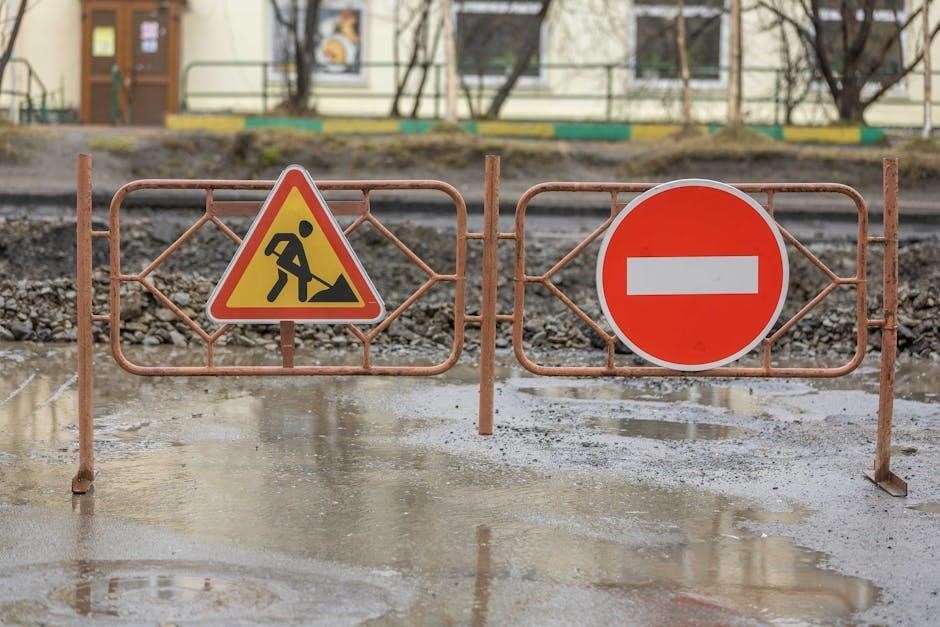
Examples include speed limit signs‚ mandating maximum permissible speeds for specific zones‚ and stop signs‚ demanding complete cessation of movement before proceeding․ Yield signs require drivers to grant right-of-way to other traffic‚ while ‘Do Not Enter’ signs prohibit access to certain roadways․
The importance of compliance echoes the precision of Abbey Road’s musical arrangements – every element must function correctly for harmony․ Similarly‚ on the road‚ adherence to regulatory signs ensures a safe and predictable flow․ Even while enjoying roadside delights‚ as Roadfood suggests‚ drivers must remain vigilant and respect these crucial directives․ Understanding these signs isn’t merely about avoiding tickets; it’s about safeguarding lives․
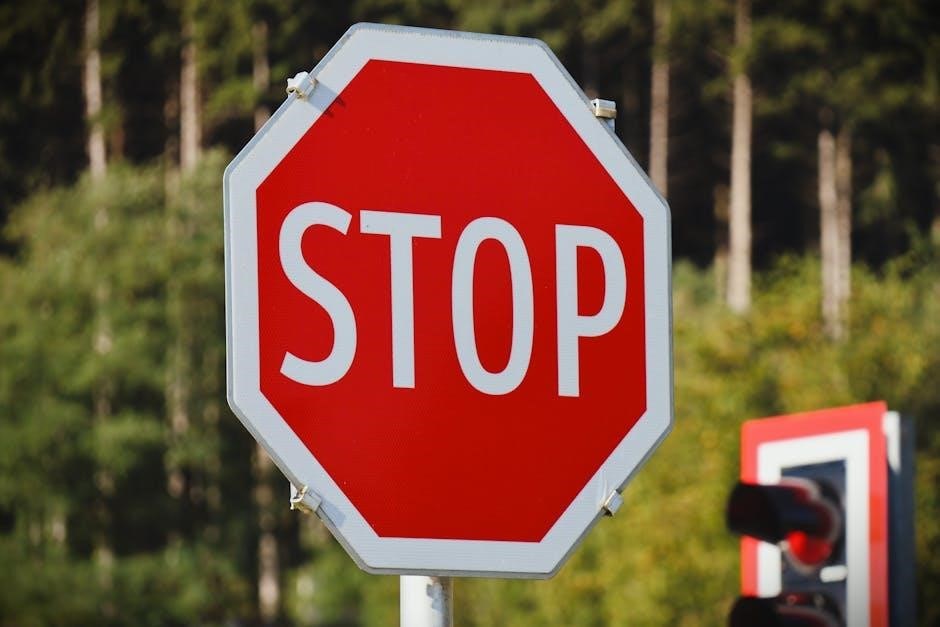
Stop Signs: Absolute Compliance
Stop signs represent the most direct command within regulatory signage – an unequivocal instruction to halt completely before proceeding․ Typically octagonal and vividly red‚ their shape and color are universally recognized‚ transcending language barriers for immediate comprehension․ A complete stop is required‚ not merely a slowdown‚ allowing drivers to assess cross-traffic and ensure a safe continuation․

Failure to comply with a stop sign is a serious traffic violation‚ frequently leading to collisions․ Drivers must come to a full stop at a marked stop line‚ or before entering the crosswalk‚ if present․ If neither is visible‚ stop before entering the intersection at a point where you have a clear view of approaching traffic․
Just as Abbey Road demands attentive listening to appreciate its nuances‚ navigating intersections requires focused observation․ Even when anticipating a delicious meal discovered through Roadfood‚ prioritize the absolute necessity of obeying stop signs – a small pause for a significant safety gain․
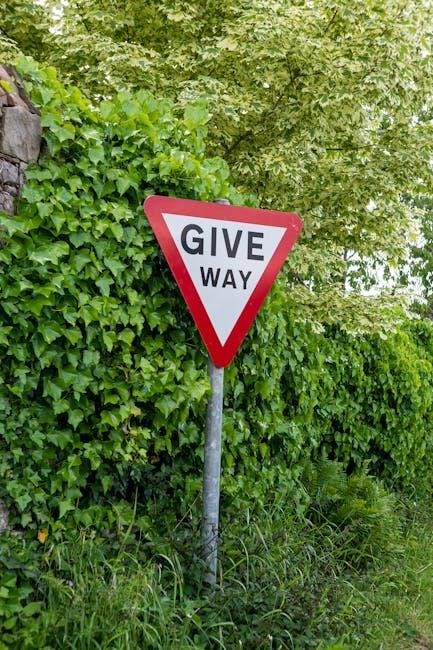
Yield Signs: Preparing to Yield
Yield signs‚ typically triangular and colored red and white‚ indicate that a driver must prepare to yield the right-of-way to other traffic․ Unlike stop signs‚ a complete halt isn’t always necessary‚ but drivers must slow down and assess the situation․ The core principle is to avoid forcing other vehicles to alter their speed or direction․
Yielding doesn’t automatically grant you the right-of-way; it simply means you’re acknowledging the potential priority of other vehicles․ Be prepared to stop if necessary․ This is particularly crucial when approaching from a minor road onto a major thoroughfare‚ or when merging into traffic․
Similar to planning a Roadfood adventure‚ anticipating potential challenges is key; Just as you’d research the best roadside diners‚ proactively assess traffic flow before proceeding past a yield sign․ A mindful approach‚ like appreciating the layers of Abbey Road‚ ensures a smoother and safer journey for everyone․
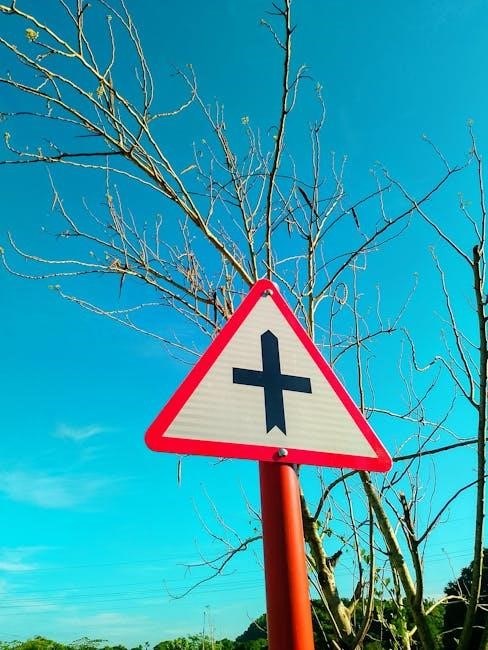
Speed Limit Signs: Maintaining Safe Speeds
Speed limit signs are rectangular‚ typically white with black numerals‚ and clearly indicate the maximum legal speed allowed on a specific stretch of road․ Adherence to these limits is paramount for safety‚ reducing the risk of accidents and ensuring a predictable traffic flow․ Posted speeds are determined based on factors like road design‚ pedestrian traffic‚ and visibility․
Exceeding the speed limit significantly increases stopping distance and reduces reaction time‚ potentially leading to collisions․ Drivers should always adjust their speed based on prevailing conditions – weather‚ traffic density‚ and road surface – even if below the posted limit․ Think of it like planning a Roadfood trip; adjusting to unexpected detours is essential․
Maintaining a safe speed isn’t just about avoiding tickets; it’s about responsible driving․ Just as appreciating the nuances of Abbey Road requires attentive listening‚ safe driving demands constant awareness and adherence to posted regulations․ Prioritizing safety benefits everyone on the road․
Warning Signs: Alerting Drivers to Potential Hazards
Warning signs are crucial for proactive driving‚ alerting motorists to potential dangers ahead․ Typically diamond-shaped and yellow with black symbols or text‚ they don’t prohibit action but advise caution․ These signs prepare drivers to anticipate and react to changing road conditions‚ minimizing the risk of accidents․
Common warning signs include those for curves‚ pedestrian crossings‚ and animal crossings․ Recognizing these symbols quickly is vital․ Just as a Roadfood guide prepares you for local specialties‚ warning signs prepare you for road conditions․ Drivers should reduce speed and increase vigilance upon seeing a warning sign․
Ignoring warning signs can have severe consequences․ A moment’s inattention can lead to a collision․ Similar to appreciating the complexities of Abbey Road‚ understanding road signs requires focus and attention to detail․ Safe driving demands constant awareness and a willingness to adjust to potential hazards․
Curve Warning Signs: Anticipating Bends
Curve warning signs‚ typically depicting a winding road‚ are essential for safe navigation․ These yellow‚ diamond-shaped signs indicate an upcoming bend in the roadway‚ advising drivers to reduce speed and prepare to steer accordingly․ The severity of the curve is often indicated by an advisory speed limit posted below the warning symbol․
Anticipating curves allows drivers to maintain control and avoid losing traction‚ especially in adverse weather conditions․ Just as a Roadfood guide highlights scenic routes‚ these signs point to changes in the road’s path․ Ignoring these warnings can lead to rollovers or collisions with oncoming traffic․
Drivers should brake before entering the curve‚ not during‚ to maintain stability․ Smooth steering adjustments are crucial․ Similar to appreciating the nuances of Abbey Road’s instrumentation‚ understanding curve dynamics requires skill and precision․ Proactive driving and adherence to posted speed limits are paramount for navigating curves safely․
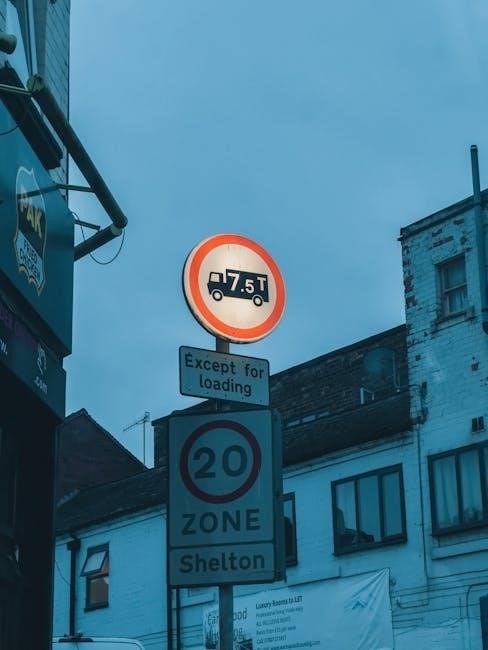
Pedestrian Crossing Signs: Increased Vigilance
Pedestrian crossing signs‚ often depicting a person walking‚ signal areas where pedestrians are likely to be present․ These signs demand heightened driver awareness and a reduction in speed․ They are commonly found near schools‚ residential areas‚ and shopping centers – places mirroring the diverse stops along a Roadfood journey․
Drivers must scan the sidewalks and anticipate pedestrians stepping into the roadway‚ even if a crosswalk isn’t marked․ Increased vigilance is crucial‚ particularly during peak hours or in low-light conditions․ Just as appreciating Abbey Road requires attentive listening‚ safe driving demands focused observation․
Yielding the right-of-way to pedestrians is legally required and ethically responsible․ Failure to do so can result in serious injuries or fatalities․ Be prepared to stop‚ and avoid distractions like cell phones․ Proactive awareness and respectful driving habits are essential for protecting vulnerable road users‚ ensuring everyone reaches their destination safely․
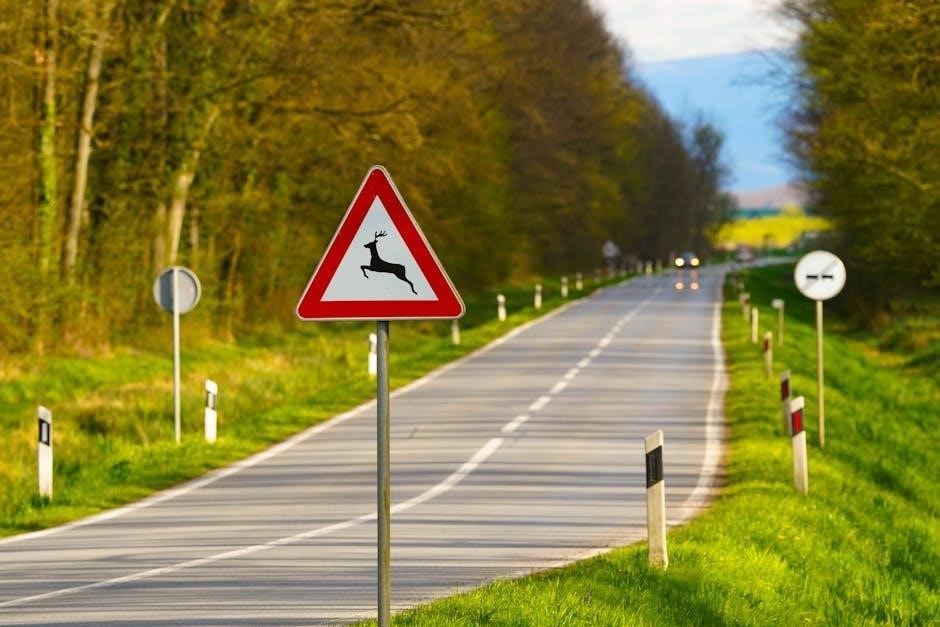
Animal Crossing Signs: Wildlife Awareness
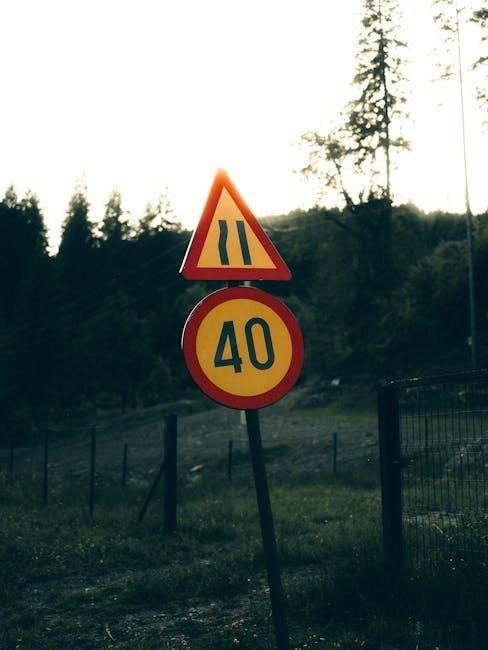
Animal crossing signs‚ typically featuring silhouettes of deer‚ elk‚ or other local wildlife‚ alert drivers to areas prone to animal activity․ These signs aren’t merely warnings; they necessitate a proactive shift in driving behavior‚ demanding increased attention and reduced speed – a mindset akin to savoring the regional specialties highlighted by Roadfood guides․
Drivers should scan the roadside vegetation for movement and be prepared to brake․ Animals can appear suddenly and unpredictably․ Avoid swerving‚ as this can lead to loss of control and potentially more severe consequences․ Instead‚ brake firmly and steer straight․
Be especially cautious during dawn and dusk‚ when animals are most active․ Rural routes‚ much like the journey to experience the sounds of Abbey Road‚ often present unique hazards․ Recognizing and respecting these risks is paramount for ensuring the safety of both drivers and wildlife․ Responsible driving protects both human and animal lives․
Guide Signs: Providing Direction and Information
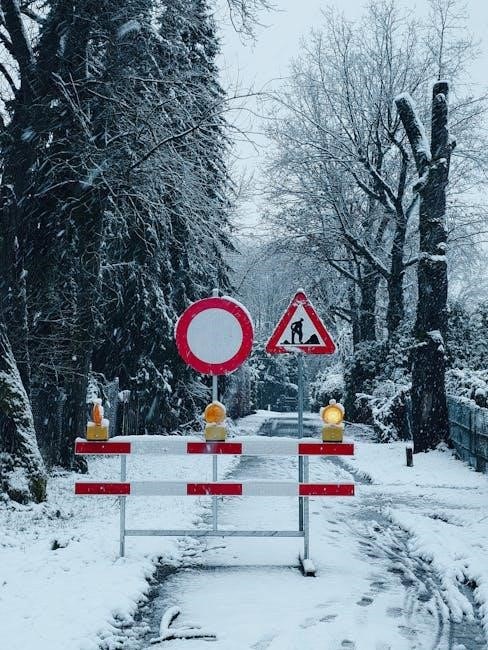
Guide signs are the informational backbone of any road network‚ assisting drivers in navigating to destinations and locating essential services․ These signs utilize a variety of colors and symbols to convey information efficiently‚ much like a well-curated Roadfood guide directs travelers to culinary gems․
Destination signs display the names of cities‚ towns‚ and points of interest‚ often accompanied by distances․ Route number signs clearly identify highways and interstates‚ enabling drivers to follow their intended path․ Color-coding is crucial: green indicates recreational or scenic routes‚ blue highlights services‚ and brown denotes historical or cultural points of interest․
Service signs pinpoint the location of gas stations‚ restaurants‚ lodging‚ and hospitals․ These are invaluable‚ especially on long journeys where finding a good meal‚ like those featured in regional guides‚ or a place to rest is essential․ Understanding these signs transforms a drive into a confident and informed experience‚ mirroring the ease of navigating with a trusted travel companion․
Destination Signs: Route Guidance
Destination signs are paramount for effective route guidance‚ providing drivers with clear and concise information about upcoming cities‚ towns‚ and significant landmarks․ These signs aren’t merely labels; they’re crucial components of a safe and efficient transportation system‚ much like a detailed Roadfood guide leads to hidden culinary treasures․
Typically‚ destination signs display the name of the location and the distance remaining‚ often utilizing a consistent font size and color scheme for easy readability․ Interstates and major highways employ larger‚ more prominent signs‚ while local routes feature smaller‚ more localized indicators․ The placement of these signs is strategically planned to offer ample warning and decision-making time․
Effective destination signage minimizes confusion and reduces the likelihood of missed turns or incorrect routes․ They work in tandem with route number signs‚ creating a cohesive navigational framework․ Just as exploring regional food guides enhances a journey‚ well-designed destination signs elevate the driving experience‚ fostering confidence and reducing stress․
Route Number Signs: Identifying Highways
Route number signs are fundamental for identifying highways and facilitating long-distance travel․ These signs utilize a standardized system – utilizing numbers and occasionally letters – to categorize and differentiate various roadways‚ much like a detailed Roadfood collection categorizes restaurants․ Interstate highways are designated with red and white shields‚ while U․S․ routes employ black and white shields․
State routes often feature unique shield designs specific to each state‚ adding a layer of regional identity․ The consistent use of these color schemes and shield shapes allows drivers to quickly recognize the type of road they are traveling on‚ regardless of location․ These signs are strategically placed before and along the route‚ ensuring continuous identification․
Understanding route numbering systems is crucial for efficient navigation․ They work in conjunction with destination signs‚ providing a comprehensive framework for route guidance․ Just as knowing the best roadside diners enhances a trip‚ recognizing route numbers simplifies travel‚ reducing confusion and promoting a smoother journey․
Service Signs: Locating Amenities
Service signs are invaluable for drivers seeking essential amenities along their journey․ These signs‚ typically blue in color with white symbols‚ clearly indicate the availability of services such as gas stations‚ lodging‚ food‚ hospitals‚ and rest areas․ They are designed for quick recognition‚ minimizing driver distraction – a crucial safety consideration․
The symbols used on these signs are standardized nationally‚ ensuring consistent understanding across different states․ This uniformity is akin to the consistent quality expected from Roadfood-approved restaurants․ Signs often display the distance to the indicated service‚ allowing drivers to plan accordingly․ The presence of these signs is particularly helpful in unfamiliar areas or during long road trips․
Effective use of service signs contributes significantly to driver comfort and safety․ Knowing where to find fuel‚ food‚ or medical assistance reduces stress and prevents potentially dangerous situations․ They complement destination signs‚ providing a complete picture of available resources along the route‚ much like a detailed travel guide․
Road Markings: Complementing Signage
Road markings work in tandem with road signs‚ providing crucial guidance and reinforcing traffic regulations․ These visual cues‚ painted directly onto the pavement‚ enhance driver awareness and contribute significantly to road safety․ They aren’t merely supplemental; they are integral to the overall traffic control system․
Lane markings define individual traffic lanes‚ separating opposing flows of traffic and indicating permissible movements․ Pavement arrows clearly show the direction of travel within each lane‚ preventing confusion at intersections and complex interchanges․ Solid lines generally prohibit lane changes‚ while dashed lines permit them when safe․
Stop lines and crosswalks designate specific stopping points for vehicles and pedestrian crossing areas‚ respectively․ These markings are particularly important near intersections and schools‚ protecting vulnerable road users; Just as Roadfood guides highlight key stops‚ road markings highlight critical points for drivers․ Consistent application of these markings‚ alongside clear signage‚ is vital for a safe and efficient roadway network․
Lane Markings: Defining Traffic Lanes
Lane markings are fundamental to organizing traffic flow‚ visually separating distinct paths for vehicles․ These painted lines on the roadway surface communicate permissible movements and restrictions‚ enhancing safety and reducing confusion․ Their consistent application is paramount for predictable driver behavior․
Solid white lines delineate lanes traveling in the same direction‚ discouraging lane changes․ Conversely‚ dashed white lines permit lane changes when safe and legal․ Solid yellow lines separate traffic flowing in opposite directions; a single solid yellow line indicates passing is permitted on the side without the solid line‚ while double solid yellow lines prohibit passing in both directions․
Variations exist‚ including wider lane markings for increased visibility and specialized markings for high-occupancy vehicle (HOV) lanes․ Like a detailed Roadfood guide‚ lane markings provide essential directional information․ Understanding these markings is crucial; they aren’t merely aesthetic additions but vital components of a safe and efficient transportation system‚ guiding drivers much like a country road leads home․
Pavement Arrows: Indicating Direction
Pavement arrows are crucial supplementary guidance‚ painted directly onto the road surface to direct drivers through complex intersections or lane configurations․ They reinforce the messages conveyed by overhead signage‚ providing immediate‚ at-a-glance directional cues․ These markings are particularly valuable in areas with high traffic volume or intricate road layouts․
Straight arrows indicate continuation in the current direction‚ while curved arrows denote turning movements – left‚ right‚ or U-turns․ Arrows combined with lane lines specify which lane to occupy for a particular maneuver․ For example‚ a left-turn arrow painted within a lane clearly designates it for left-turning vehicles only․
Like discovering a hidden gem on a Roadfood adventure‚ correctly interpreting pavement arrows prevents wrong turns and ensures smooth traffic flow․ Their visibility is paramount‚ often utilizing reflective paint for nighttime clarity․ These markings‚ alongside comprehensive road signs‚ contribute significantly to road safety‚ guiding drivers as reliably as a familiar country road․
Stop Lines and Crosswalks: Designated Stopping Points
Stop lines‚ solid white markings painted across the roadway‚ clearly indicate where vehicles must come to a complete halt before proceeding․ They are strategically placed at intersections and before crosswalks‚ ensuring pedestrian safety and regulating traffic flow․ Ignoring a stop line carries legal consequences‚ emphasizing their importance in maintaining order․
Crosswalks‚ often marked with parallel white or yellow lines‚ designate safe pedestrian crossing areas․ Drivers are legally obligated to yield the right-of-way to pedestrians within these zones․ Like finding a worthwhile stop on a Roadfood journey‚ crosswalks represent a designated safe space․
The combination of stop lines and crosswalks creates a predictable environment for both drivers and pedestrians․ Proper visibility is crucial‚ with markings maintained in clear condition․ These features‚ alongside clear signage‚ are fundamental to responsible road usage‚ ensuring a safer experience for everyone‚ much like navigating a familiar country road․
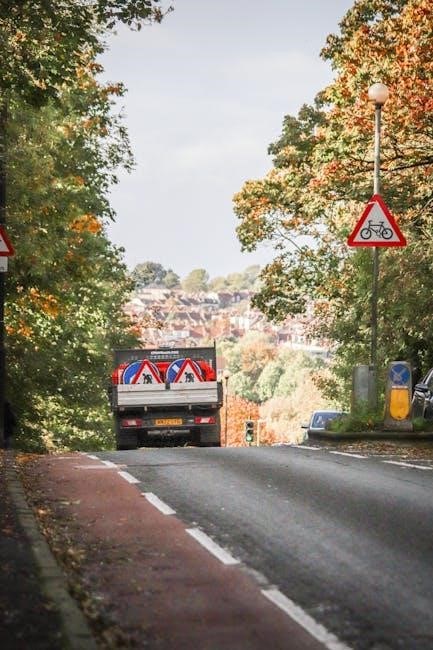
Temporary Traffic Control Signs
Temporary traffic control signs are crucial for managing traffic during road work‚ construction‚ maintenance‚ or emergency situations․ Unlike permanent signage‚ these signs are deployed for a limited duration‚ alerting drivers to altered conditions ahead․ They often utilize fluorescent orange or yellow backgrounds to maximize visibility and grab attention․
Common examples include signs indicating lane closures‚ reduced speed limits‚ flaggers ahead‚ and detour routes․ These signs are governed by the Manual on Uniform Traffic Control Devices (MUTCD) to ensure consistency and clarity nationwide․ Just as a Roadfood guide points to temporary pop-up eateries‚ these signs direct drivers to navigate temporary road changes․
Proper placement and maintenance are vital․ Signs must be visible‚ stable‚ and appropriately sized for the posted speed limit․ Ignoring temporary traffic control signs can lead to accidents and delays‚ emphasizing the need for driver awareness and adherence to instructions․ They are a dynamic element of road safety‚ adapting to evolving conditions․
Understanding Sign Colors and Shapes
Sign colors and shapes are not arbitrary; they’re a standardized system designed for quick comprehension by drivers․ Red typically signifies prohibition – think stop signs or yield signs demanding immediate action․ Yellow indicates warnings‚ alerting drivers to potential hazards like curves or pedestrian crossings‚ prompting increased vigilance․
Green is generally used for guide signs‚ providing directional information and highlighting destinations‚ much like a Roadfood guide directs you to culinary gems․ Blue indicates service signs‚ pointing to amenities like gas stations or hospitals․ White is often used as a background for regulatory signs‚ enhancing readability․
Shapes also convey meaning․ Octagons universally represent stop signs‚ triangles warn of hazards‚ and rectangles often indicate regulatory information․ Recognizing these visual cues instantly communicates the sign’s message‚ minimizing reaction time and promoting safer driving․ Consistent application of these standards is vital for effective communication on the road․
International Road Sign Variations
While the core principles of road signage aim for universal understanding‚ significant variations exist internationally․ The Vienna Convention on Road Signs and Signals attempts standardization‚ but not all countries adhere to it fully․ For example‚ metric speed limits are standard outside the US‚ influencing speed limit sign designs․
Pictograms‚ while increasingly common‚ can differ in style and detail․ What constitutes a “pedestrian crossing” or “animal crossing” can be visually represented differently across nations․ Some countries utilize more text-based signs‚ while others rely heavily on symbols․ Even colors can have nuanced interpretations․
Navigating unfamiliar roads requires awareness of these differences․ A driver accustomed to US signage might misinterpret a sign in Europe or Asia․ Resources like international driving guides and apps can aid in deciphering local regulations․ Just as Roadfood highlights regional culinary differences‚ road signs reflect cultural and regulatory distinctions․
Roadside Food and Signage – A Cultural Connection
Roadside dining and accompanying signage are deeply intertwined with local culture and travel experiences․ Signs advertising regional specialties – like Connecticut’s famed pizza or Indiana’s lemon shakes – aren’t merely directional; they’re invitations to partake in a community’s identity․
These signs often reflect a region’s history and agricultural heritage․ A sign promoting apple cider donuts in New England speaks to the area’s orchard traditions․ Similarly‚ signs for barbecue joints in the South signal a culinary legacy․ The aesthetics of these signs themselves can vary‚ mirroring local artistic styles․
Just as Roadfood documents these culinary landmarks‚ signage plays a vital role in preserving and promoting them․ They guide travelers not just to sustenance‚ but to authentic cultural encounters․ The journey‚ highlighted by these signs‚ becomes as important as the destination‚ echoing the sentiment of “Country Roads‚ Take Me Home․”